
Bodrum Dental Filling Treatments (Conservative Dentistry): Restoring Damaged Teeth
At MandarinDent, Bodrum Dental Filling Treatments (Conservative Dentistry) include tooth-coloured composite fillings, amalgam fillings and custom-made inlay and onlay restorations. The aim is to remove decay and preserve as much healthy tooth structure as possible. Whether a filling is suitable depends on the extent of damage and the findings of a dental examination.
Conservative dentistry focuses on restoring teeth while preserving natural tooth tissue whenever possible. This guide explains three types of restorations available within dental filling treatments in Bodrum: what each involves, when it may be considered, how it is placed and answers to common patient questions.
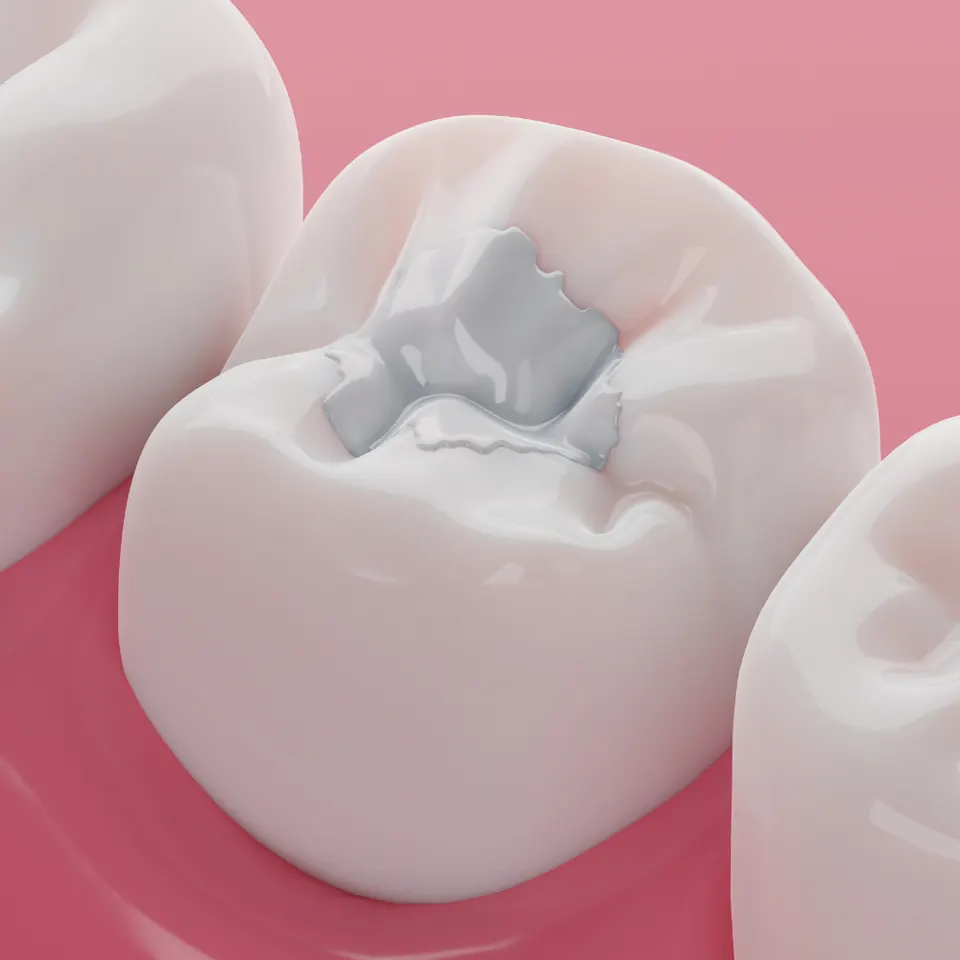
Three Options for Dental Fillings in Bodrum
 Composite FillingsTooth-coloured white fillings, often completed in one appointment.Front and back teeth
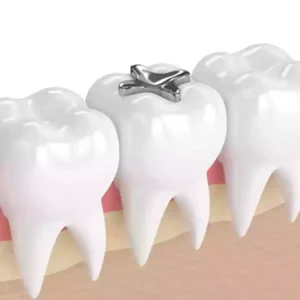 Amalgam FillingsA traditional metal filling material used mainly for back teeth.Back teeth
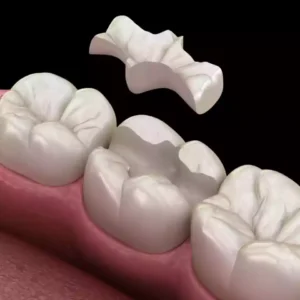 Inlays and OnlaysCustom-made restorations produced to fit the tooth, often for more extensive damage.Larger cavities
How Are Dental Filling Treatments in Bodrum Planned?
Dental filling treatments in Bodrum begin with a clinical examination. Your dentist assesses each tooth and, when needed, uses X-rays to evaluate the depth of decay and its proximity to the pulp. The recommended restoration depends on the size of the cavity, the position of the tooth and your individual needs. Different teeth may require different materials, such as a composite filling for a front tooth and an onlay for a heavily damaged molar. Your dentist will also explain the proposed number of appointments and relevant aftercare.
When Might You Need a Dental Filling?
Early tooth decay often causes no symptoms and is frequently identified during a routine examination. If you notice any of the following signs, arrange a dental check-up. Treating decay early may allow a smaller restoration, while decay that reaches the pulp can require more extensive care such as root canal treatment.
Composite Fillings (White Fillings)
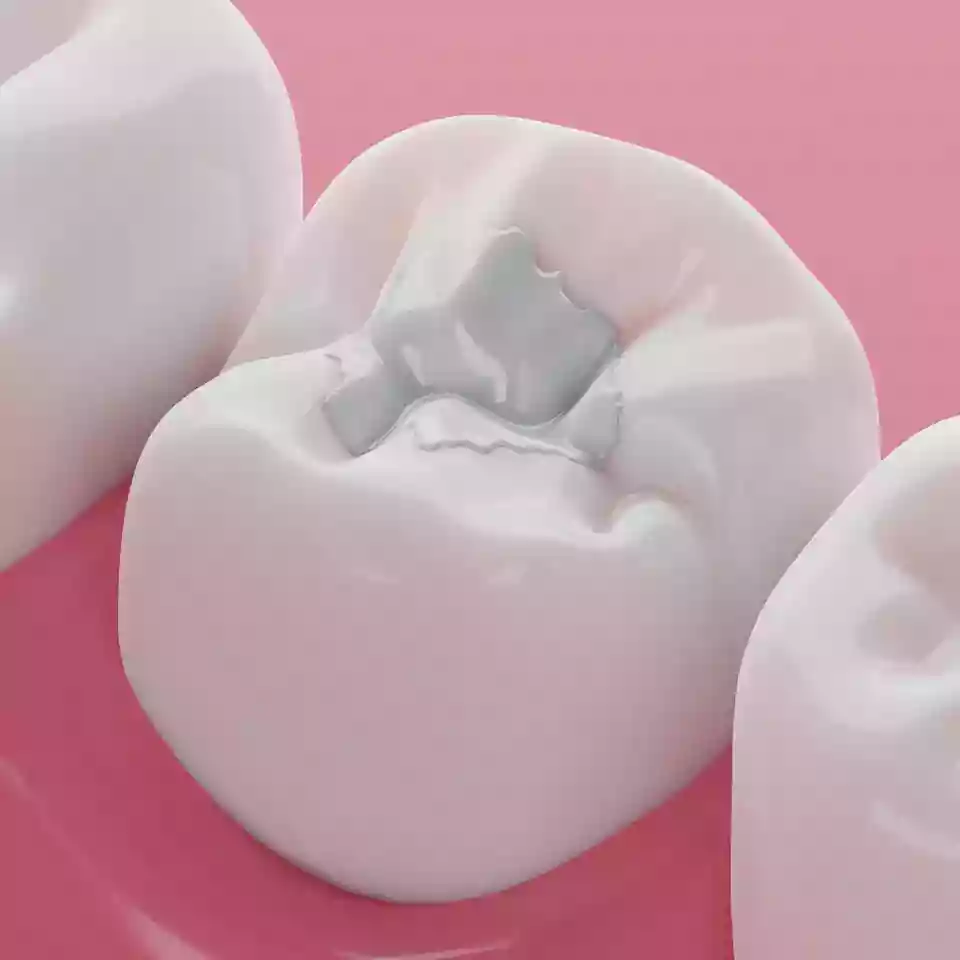
A composite filling is made from a tooth-coloured resin-based material containing reinforcing filler particles. Often called a white filling, it is applied directly to a tooth after decay or damaged tissue has been removed, then hardened with a curing light. Because the material bonds to the tooth, the preparation can often preserve more healthy tissue. Composite fillings are commonly considered for both front and back teeth during dental filling treatments in Bodrum.
When Are Composite Fillings Used?
For very extensive cavities, a direct composite filling may not provide enough support. An onlay or crown may be considered after examination.
How Is a Composite Filling Placed?
- Anaesthesia and preparationThe tooth is numbed when needed; decayed tissue is removed while healthy tissue is preserved where possible.
- BondingA bonding agent is applied to help the composite attach to the prepared tooth.
- Layer-by-layer placementTooth-coloured composite is placed in layers and cured with a special light.
- Bite adjustmentYour bite is checked and any high points are adjusted.
- PolishingThe restoration is polished to obtain a smooth surface.
Limitations of Composite Fillings
Composite restorations can wear down or become stained over time. Large fillings exposed to heavy biting forces may require maintenance or replacement sooner than some indirect restorations. Regular reviews allow your dentist to examine the margins and condition of the filling. One advantage of composite material is that small defects can sometimes be repaired without replacing the entire restoration.
Frequently Asked Questions About Composite Fillings
How long does a composite filling last?
Composite fillings may last approximately 5–10 years, sometimes longer or shorter. Their longevity depends on oral hygiene, diet, tooth location, biting forces and habits such as grinding or clenching.
Can composite fillings become discoloured over time?
Composite surfaces may gradually absorb stains from coffee, tea, tobacco and other sources. Good oral hygiene and professional polishing can help manage staining; replacement may be appropriate in some cases.
Can composite fillings be used on back teeth?
Yes. Composite fillings are commonly used on front and back teeth. For very large cavities or teeth exposed to heavy chewing forces, your dentist may discuss an inlay, onlay or another restoration.
When can I eat after a composite filling?
Light-cured composite hardens during the appointment. However, if local anaesthesia was used, wait until numbness has worn off to avoid biting your cheek or tongue. Follow any additional eating instructions given by your dentist.
Amalgam Fillings
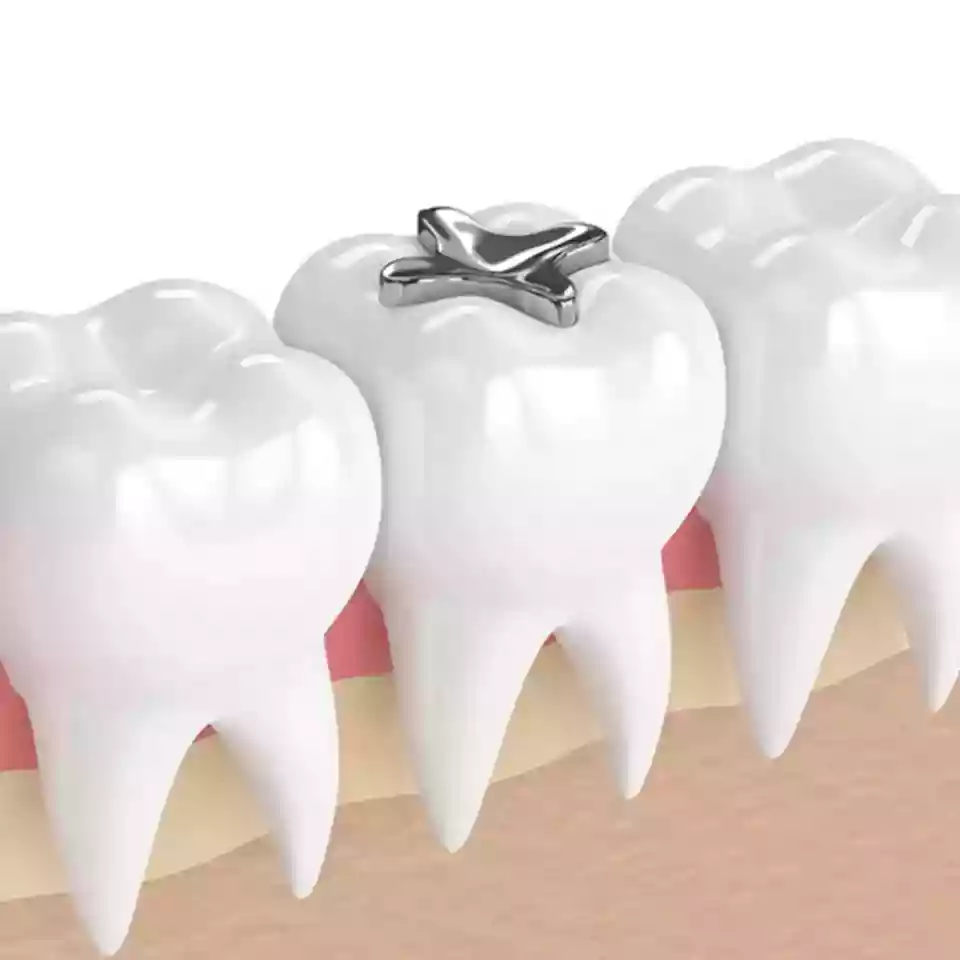
Dental amalgam is a metal alloy containing mercury together with silver, tin and copper. It has been used in dentistry for many decades and was traditionally selected for certain back-tooth restorations because of its mechanical properties. Amalgam does not match natural tooth colour. Its availability and appropriateness also depend on current regulations, patient-specific factors and clinical assessment; tooth-coloured alternatives may be recommended.
When Has Amalgam Been Used?
How Is an Amalgam Filling Placed?
- Anaesthesia and preparationThe tooth is numbed if needed, and decayed or damaged tissue is removed.
- Placement and shapingThe mixed material is placed in the prepared cavity and shaped to the tooth.
- SettingAmalgam gains strength over time. Follow your dentist’s instructions about avoiding hard foods on that side after treatment.
- Checking and finishingThe bite is checked and adjusted if necessary.
Limitations and Considerations for Amalgam
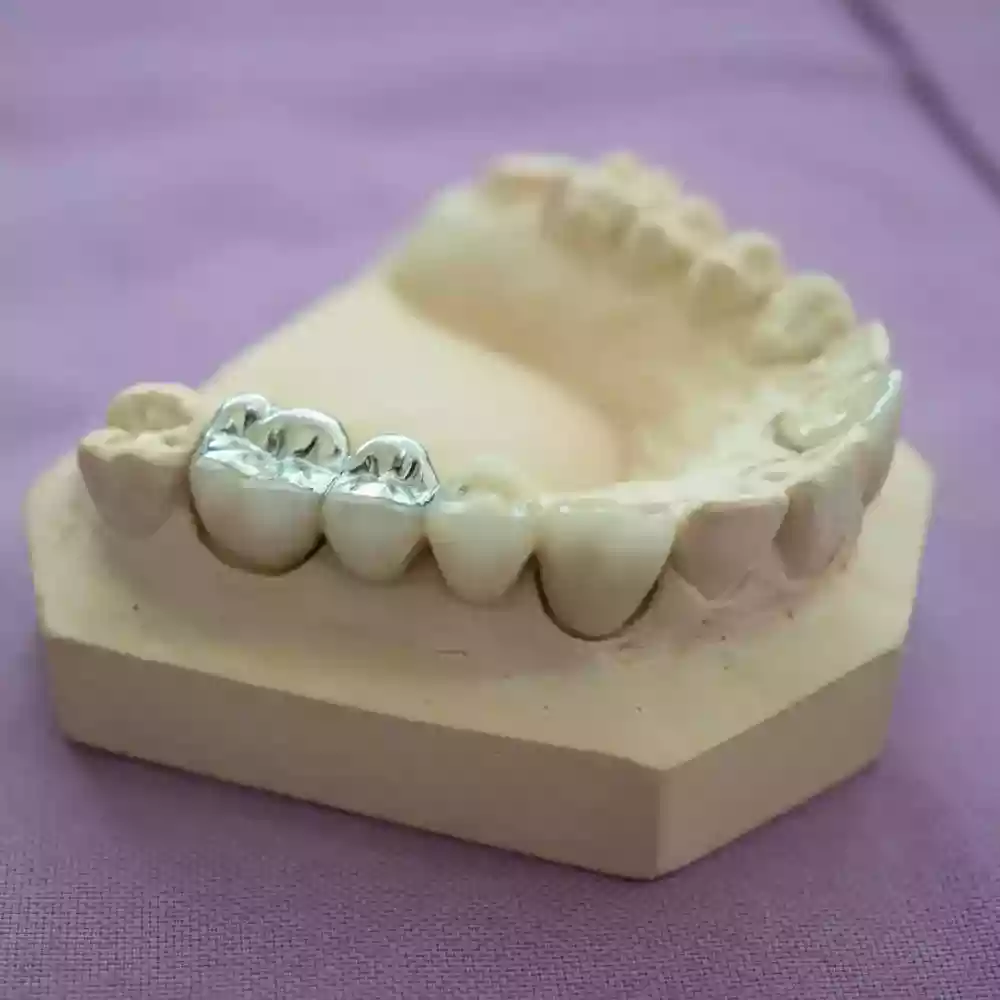
Amalgam is visibly metallic and is generally not chosen for prominent front teeth. Because it does not bond directly like composite, its placement can sometimes require a different cavity shape. It also contains mercury. Tell your dentist if you are pregnant, breastfeeding, have kidney disease or have other relevant medical concerns. The choice of material should take account of clinical circumstances and applicable restrictions; an intact amalgam filling does not automatically need replacement.
Frequently Asked Questions About Amalgam Fillings
How long can an amalgam filling last?
An amalgam filling may last approximately 10–15 years, although this varies. Oral hygiene, dietary habits, the size of the restoration and tooth grinding can affect its lifespan.
Why are amalgam fillings grey?
Amalgam is a metal alloy and therefore has a silver-grey appearance rather than the colour of natural teeth. Tooth-coloured materials are usually preferred in visible areas.
Can I replace an old amalgam filling with a white filling?
An intact, well-sealed amalgam filling does not always need replacement just because of its colour. If it is fractured, leaking or affected by recurrent decay, or if you have aesthetic concerns, your dentist can assess the options and explain the risks and benefits of replacement.
What should I do after an amalgam filling?
Follow the instructions given by your dentist about chewing and eating while the restoration sets. Temporary temperature sensitivity may occur. Contact the clinic if pain or sensitivity becomes pronounced or persists.
Inlay and Onlay Restorations
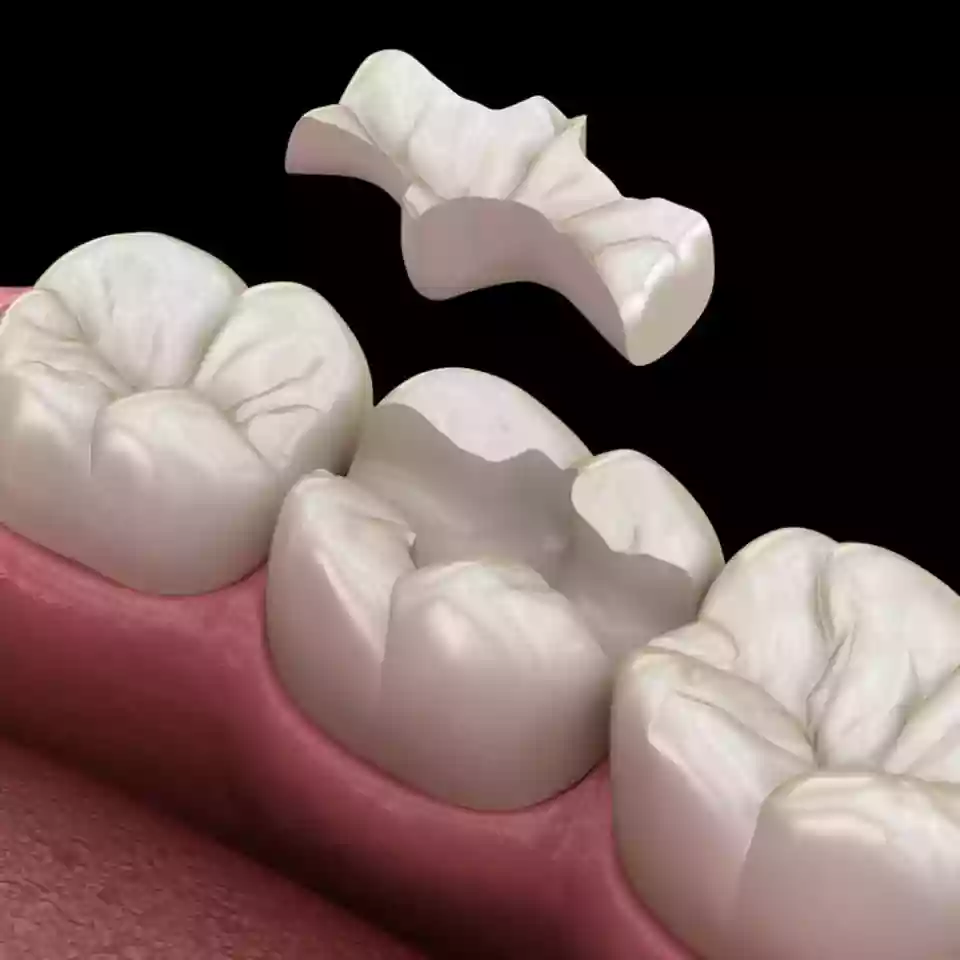
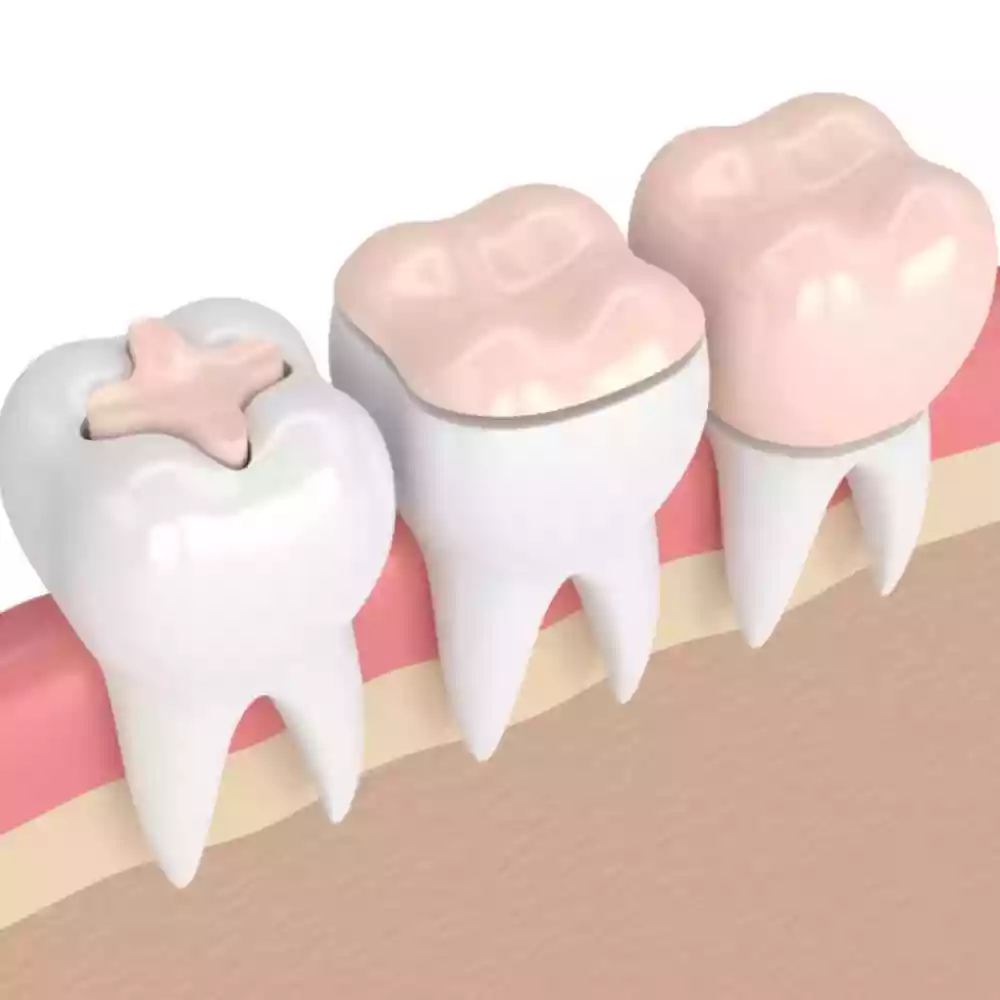
Inlays and onlays are indirect restorations made to fit a prepared tooth using a dental impression or digital scan. They are then bonded or cemented into place. These options may be considered when a conventional filling is not suitable but a full crown may not be necessary. They can be made from ceramic or composite materials and designed to match the tooth colour. The appropriate restoration depends on the amount and position of remaining healthy tooth tissue.
What Is the Difference Between an Inlay and an Onlay?
In simple terms, an inlay fits within the cusps of a tooth, whereas an onlay extends over one or more cusps. An onlay can sometimes preserve more tooth structure than a full crown when the clinical situation allows.
When Are Inlays and Onlays Recommended?
How Are Inlays and Onlays Made?
- Cleaning and preparationDecay or damaged tissue is removed while preserving healthy tooth structure where possible.
- Impression or digital scanAn impression or scan is taken and the tooth shade is recorded.
- Temporary restorationThe prepared tooth may be protected with a temporary restoration while the final piece is made.
- Laboratory fabricationThe inlay or onlay is manufactured to fit the individual tooth.
- Bonding or cementationThe restoration is fitted, secured, checked for bite accuracy and finished.
Limitations of Inlays and Onlays
Laboratory-made inlays and onlays commonly require more than one appointment and may cost more than direct fillings. They can be useful for larger defects when sufficient healthy tooth tissue remains. However, no restoration is free from the possibility of fracture, wear or marginal leakage. In teeth with extensive damage, your dentist may recommend a crown or another option.
Frequently Asked Questions About Inlays and Onlays
What is the difference between an inlay and an onlay?
An inlay fills a cavity within the chewing surface without covering the cusps. An onlay covers one or more cusps and a larger portion of the biting surface.
How many appointments are needed for an inlay or onlay?
Inlays and onlays often require two visits: one to prepare and scan or take an impression of the tooth, and another to bond or cement the completed restoration. Some clinics may offer different workflows.
How are inlays and onlays different from crowns?
A full crown generally covers the entire visible portion of the tooth. Inlays and onlays replace a more limited area of damaged tissue and may preserve more of the original tooth when appropriate.
What materials are used for inlays and onlays?
Inlays and onlays can be made from ceramic or composite materials. The choice depends on the tooth location, cavity size, bite and the clinical assessment.
Which Type of Dental Filling in Bodrum May Be Suitable?
| Feature | Composite Fillings | Amalgam Fillings | Inlay / Onlay |
|---|---|---|---|
| Colour | Tooth-coloured | Silver-grey | Tooth-coloured |
| Appointments | Usually one | Usually one | Usually two |
| Tooth preparation | Usually removes decayed tissue while conserving sound tooth | May require additional mechanical retention | Designed to preserve remaining healthy tissue |
| Durability | Depends on size, location and care | Established performance | Varies by material and clinical circumstances |
| Common applications | Small to medium cavities, including front teeth | Selected back-tooth cavities | Larger cavities or fractured cusps |
This comparison offers general information about dental filling treatments in Bodrum. The best option depends on the condition of the tooth, the extent of damage and your dental assessment.
Before proceeding with dental fillings in Bodrum, your dentist may recommend X-rays to assess the depth of decay and confirm the treatment plan.
Aftercare Following Dental Filling Treatments in Bodrum
The longevity of a filling depends on both the chosen material and daily oral care. A filled tooth can develop new decay around the restoration margins, so these recommendations are relevant to all types of fillings.
General Questions About Dental Fillings
How long do dental filling treatments in Bodrum take?
Composite fillings are often completed in one visit. Amalgam has also traditionally been placed in a single visit where appropriate, whereas laboratory-made inlays and onlays commonly involve two appointments. The time required depends on the cavity size and tooth condition.
How is the type of filling chosen?
Your dentist recommends a material after assessing the size and location of the cavity, the remaining tooth structure, bite forces and your preferences. Composite may suit smaller cavities, while an inlay or onlay may be discussed for more extensive damage.
Does having a dental filling hurt?
Local anaesthesia is commonly used when necessary to minimise discomfort during treatment. Some temporary sensitivity may occur after the anaesthetic wears off.
Is sensitivity after a filling normal?
A filled tooth may be sensitive to temperature or pressure for a short period. If sensitivity increases, persists or the filling feels too high when biting, contact your dentist for assessment.
What should I do if a filling falls out or breaks?
Avoid chewing on the affected tooth and arrange a dental appointment promptly. Exposed tooth tissue can be vulnerable to further damage or decay.
Arrange a Consultation for Dental Filling Treatments in Bodrum
Book an AppointmentYokuşbaşı Mh. Hasan Reşat Öncü Cd. No:16, Bodrum / MUĞLA
Dental filling treatments at our Bodrum clinic are planned by Dt. Nihat Taner . For information about other dental services, see our Treatments page.