
Bodrum Bruxism and Teeth Grinding Treatment: Protect Your Teeth and Jaw
For Bodrum bruxism and teeth grinding treatment, MandarinDent offers two effective procedures: custom-crafted splints (night guards) and Masseter Botox injections. The goal is to halt tooth wear and relieve tension in the jaw muscles.
Teeth clenching often occurs unconsciously during sleep; as a result, many people discover the issue through morning jaw aches or wear patterns noticed by their dentist. On this page, you will first learn what bruxism is, followed by detailed sections on both treatment options along with answers to common questions under each topic.
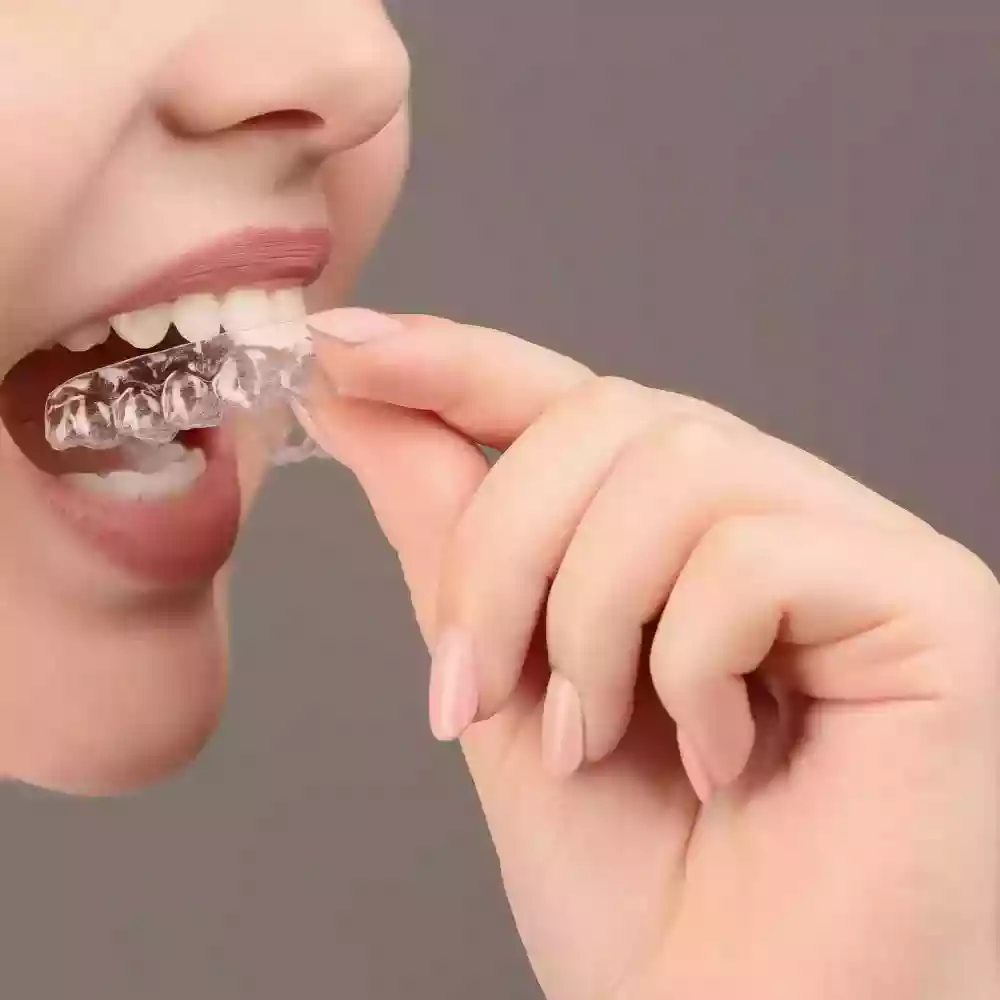
Two Methods in Bodrum Bruxism and Teeth Grinding Treatment
 Splint Treatment (Night Guard)Custom transparent protective guard fitted over teeth.Protects teeth
 Botox TreatmentRelaxes the masseter muscle to reduce clenching force.Takes ~15 minutes
These two methods are complementary rather than competing: night guards protect the physical teeth, while Botox decreases muscle force. Which approach suits you best is determined during consultation with Dr. Nihat Taner.
What Is Teeth Clenching and Grinding (Bruxism)?
Bruxism is the involuntary clenching, pressing, or grinding of teeth together. It can manifest as daytime subconscious tooth clenching or nighttime sleep grinding. The force exerted on teeth during sleep grinding often significantly exceeds normal chewing forces, causing damage to accumulate over time.
Symptoms of Bruxism
What Causes Bruxism?
Bruxism rarely stems from a single cause; multiple factors usually play a role. Stress and anxiety are the most common triggers. Sleep disturbances, excessive caffeine or alcohol consumption, smoking, certain medications, and bite misalignments can also exacerbate clenching. Therefore, when planning Bodrum bruxism and teeth grinding treatment, we evaluate both oral health and daily habits.
How Is Treatment Planned in Bodrum?
Bodrum bruxism and teeth grinding treatment begins with a comprehensive clinical examination. Your dentist examines wear facets on enamel, checks the integrity of fillings/crowns, palpates masticatory muscles and the temporomandibular joint (TMJ), and measures mouth opening range. Questions regarding symptom duration, timing (morning vs. daytime), and sleep hygiene are discussed. Based on these findings, we decide whether a night guard, Botox, or a combined protocol is ideal. Any damaged or worn teeth are also scheduled for restorative care.
What Happens If Left Untreated?
Splint Treatment (Night Guard)
A splint, or dental night guard, is a custom-made transparent appliance designed by a dentist to prevent tooth wear, TMJ pain, and muscle spasms caused by bruxism. Worn over the teeth during sleep, it prevents direct friction between upper and lower arches while evenly distributing clenching forces. A custom night guard is usually the primary recommendation in Bodrum bruxism and teeth grinding treatment.
Who Is a Night Guard Suitable For?
How Is a Custom Night Guard Made?
- ExaminationDental wear, jaw muscles, and TMJ function are evaluated.
- Digital/Standard ImpressionCustom precision impressions of your dental arches are taken.
- Laboratory FabricationThe guard is crafted from durable, clear medical-grade acrylic.
- Fitting & Occlusal AdjustmentThe guard is fitted, bite contact points are checked, and pressure areas are adjusted.
- Nightly WearThe appliance is worn every night, helping you wake up without jaw fatigue.
- Follow-up ChecksPeriodic reviews verify fit and evaluate guard wear patterns.
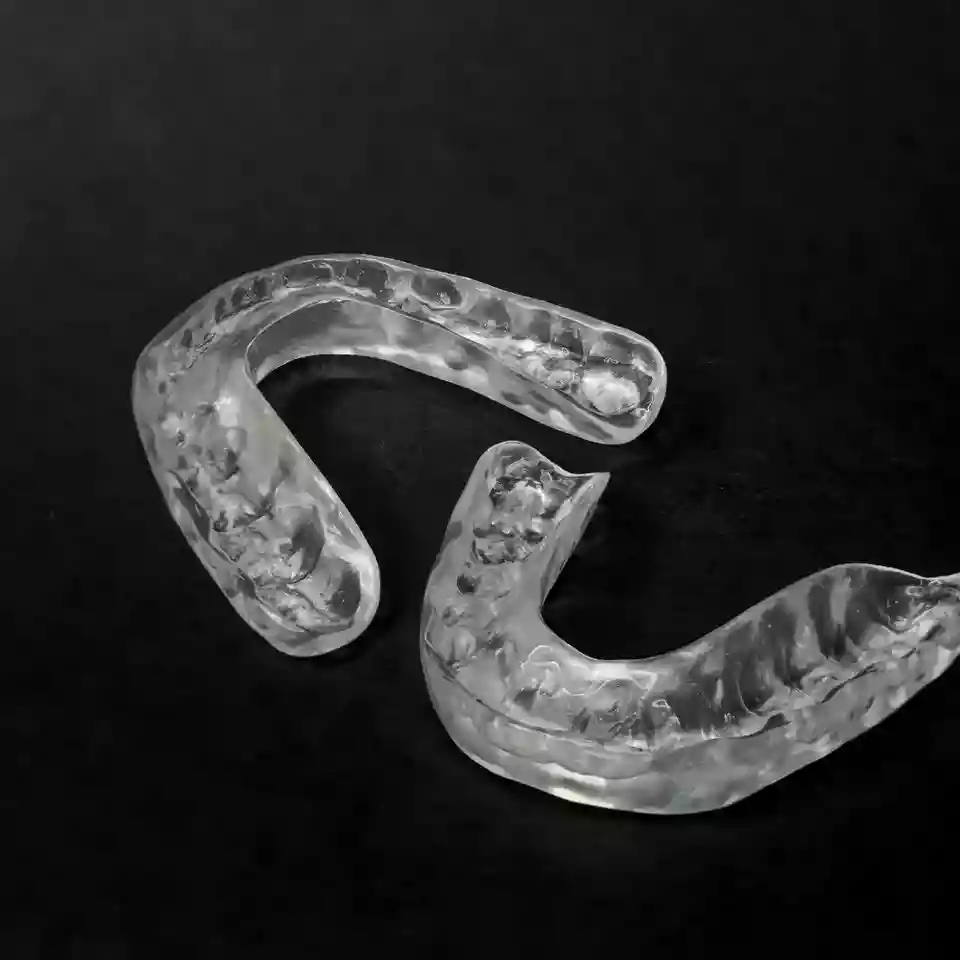
Custom-Fit vs. Over-the-Counter Night Guards
Store-bought or internet-purchased boil-and-bite guards are not tailored to your specific dental anatomy. Consequently, they do not seat properly, can alter your bite alignment, and may worsen TMJ strain. In contrast, a professionally custom-made splint is crafted directly from your impression, ensures balanced contact points, and is finely tuned by your dentist. For safe Bodrum bruxism and teeth grinding treatment, our clinic exclusively provides custom-fitted splints.
Adapting to Your Night Guard
During the first few nights, a night guard may feel bulky, salivary flow might temporarily increase, and slight morning pressure on teeth may occur. These are normal initial responses that typically subside within 1 to 2 weeks. However, if the guard causes sharp pressure on a specific tooth or gum tissue, or if your natural bite feels off during the day, visit our clinic for a quick, painless micro-adjustment.
Use and Maintenance of Night Guards
Frequently Asked Questions About Night Guards
Does a night guard cure teeth clenching permanently?
A night guard does not eliminate the central nervous system habit of clenching itself; instead, it prevents friction, cushions clenching forces, and relaxes jaw muscles, protecting teeth, restorations, and joints from severe damage.
How long does it take to get used to a night guard?
Most patients adapt to a custom night guard within a few days to two weeks. Initial mild bulkiness or increased salivation gradually disappears as your mouth adapts.
Is a night guard placed on the upper or lower teeth?
Night guards can be designed for either upper or lower arches. The choice depends on your bite alignment, missing teeth, and existing restorations as determined during your consultation.
How should a night guard be cleaned?
Rinse it with cool or lukewarm water after every wear and clean periodically using non-abrasive cleaning tablets. Avoid hot water, which warps acrylic materials.
When should a night guard be replaced?
Lifespan depends on clenching severity. If severe wear holes, structural cracks, or loose fits develop, or if you receive new fillings/crowns, the guard should be reassessed or remade.
Botox Treatment for Teeth Grinding & Clenching
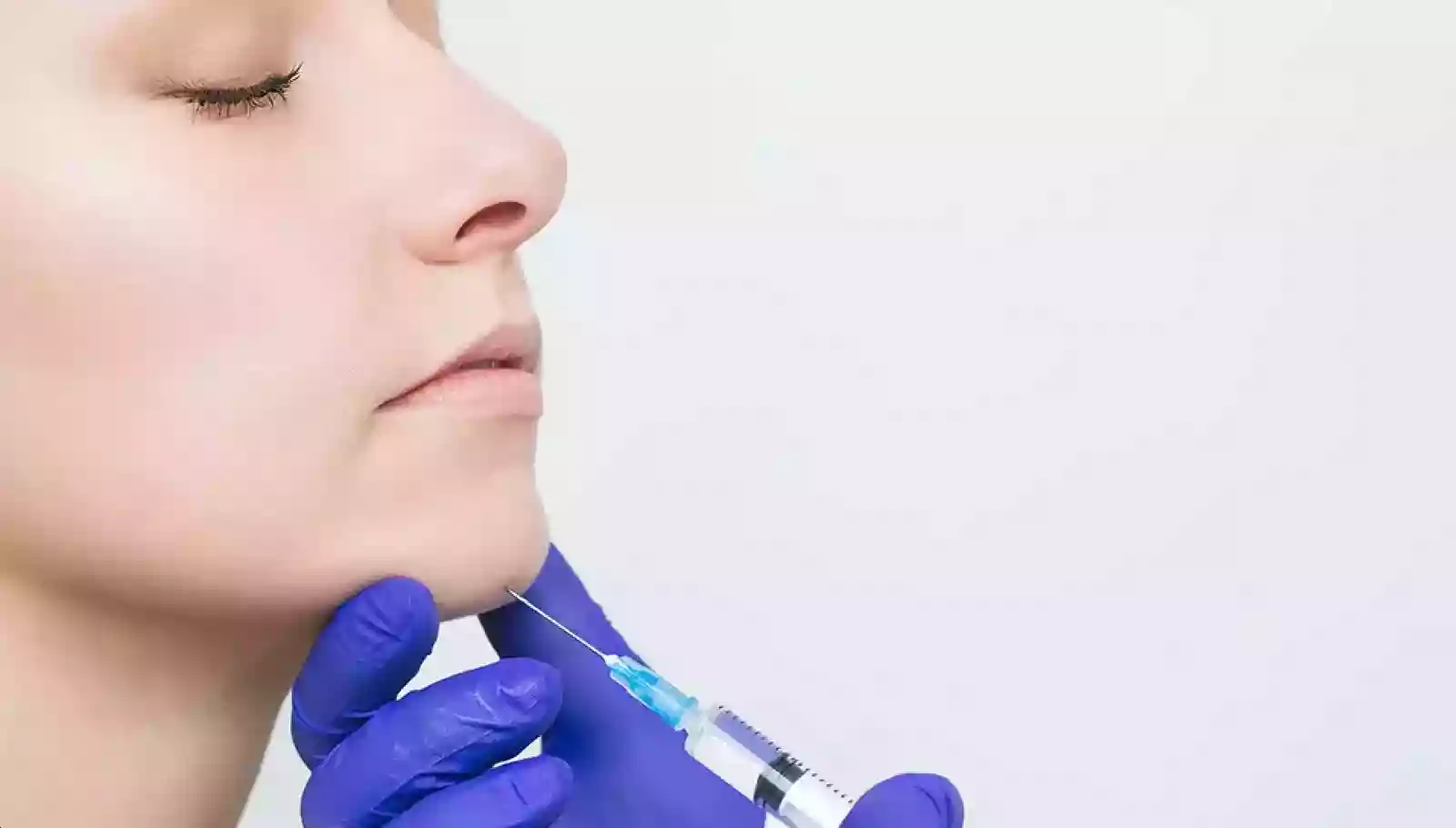
Botulinum toxin (Botox) is injected to reduce hyperactive contractions in the primary chewing muscle (masseter). Administering targeted small doses lowers peak muscle contraction force, alleviating strain on the TMJ and reducing clenching-related pain. Over time, an overdeveloped masseter muscle slim down, softening a square lower jawline. In Bodrum bruxism and teeth grinding treatment, Botox is preferred for patients suffering from muscle pain and tension.
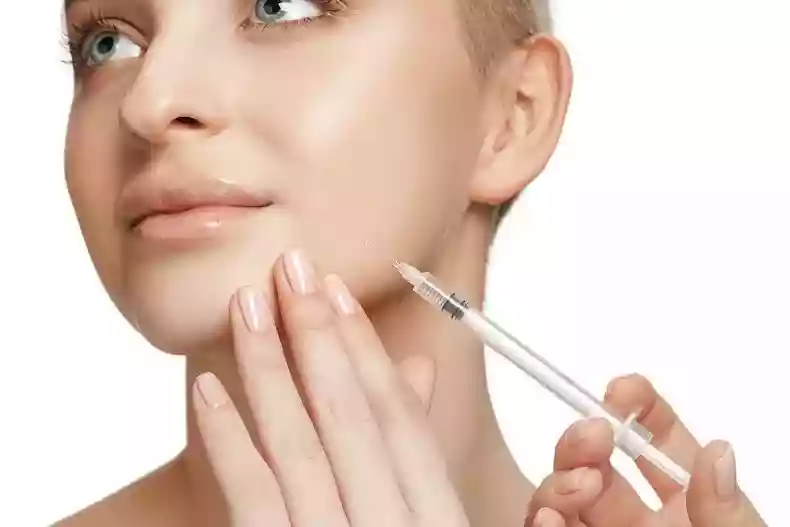
Who Is Masseter Botox Suitable For?
Botox is contraindicated during pregnancy, breastfeeding, neuromuscular disorders (such as myasthenia gravis), or active infections at injection sites. Always disclose your full medical history during consultation.
How Does Botox Reduce Teeth Clenching?
When you clench continuously, the masseter muscle works constantly, growing stronger and larger much like a bodybuilder’s muscle. A stronger muscle then applies even greater force onto teeth. Botox interrupts this cycle by temporarily blocking nerve signals to the targeted muscle fibers. The muscle contracts with less force and gets a chance to relax. Even if subconscious clenching impulses persist, the actual destructive force delivered to teeth and TMJ joints drops dramatically.
Which Muscles Are Treated?
How Is Masseter Botox Administered?
- ExaminationJaw muscles are palpated to map muscle bulk and trigger points.
- Treatment MappingInjection points and unit dosages are customized for your muscle mass.
- InjectionBotox is injected into the masseter (and temporalis if needed) using ultra-fine needles.
- Post-ProcedureYou can immediately return to your normal daily routine.
- ReviewA follow-up review evaluates response and establishes maintenance timing.
Post-Treatment Guidelines for Botox
Botox results are temporary. As metabolic activity restores nerve transmission, muscle strength gradually returns. Repeat treatments maintain relief, and over time, interval durations between sessions often extend.
Frequently Asked Questions About Masseter Botox
When does Masseter Botox take effect?
Relief from muscle soreness and jaw tension is typically felt within 7 to 10 days. Aesthetic changes, such as jawline softening, generally become visible around 6 weeks after treatment.
How long do Masseter Botox results last?
Results typically last 4 to 6 months, extending up to 9 months depending on individual metabolism. Repeat sessions are scheduled according to clinical evaluation.
Does Botox affect normal chewing or facial expressions?
Dosing is carefully calibrated to weaken peak clenching force without impairing normal chewing or facial expressions. Temporary mild fatigue while chewing tough foods can occur during early weeks.
Is the Botox injection painful?
The procedure uses fine micro-needles and takes about 15 minutes. Pain is minimal, and topical numbing cream can be applied if desired.
Do I still need a night guard if I get Botox?
Botox decreases muscle force, while a night guard physically shields tooth enamel. In severe bruxism, combining both therapies yields optimal results.
Night Guard vs. Botox in Bodrum Bruxism and Teeth Grinding Treatment
| Feature | Night Guard (Splint) | Masseter Botox |
|---|---|---|
| Mechanism | Prevents tooth contact, distributes force | Reduces muscle contraction strength |
| What It Protects | Teeth, fillings, crowns, restorations | Jaw muscles and TMJ joints |
| Application | Custom impression, laboratory crafting | ~15-minute clinical injection |
| Frequency | Worn every night | Repeated every 4–6 months |
| Best Indication | Tooth wear, enamel chipping, night grinding | Muscle soreness, headaches, muscle hypertrophy |
This comparison provides a general framework for Bodrum bruxism and teeth grinding treatment. If physical tooth wear predominates, a night guard is essential; if muscle pain dominates, Botox offers swift relief. Both can be combined when necessary.
Habits Supporting Bodrum Bruxism and Teeth Grinding Treatment
The overall success of Bodrum bruxism treatment relies on healthy daily habits alongside night guards or Botox. The following habits support clinical outcomes:
General Questions About Teeth Clenching and Grinding
How long does Bodrum bruxism and teeth grinding treatment take?
Treatment is an ongoing care process rather than a one-time fix. Custom night guards are delivered shortly after impression taking and worn nightly, while Botox takes 15 minutes and is repeated as muscle activity recovers.
How does bruxism treatment begin in Bodrum?
Care begins with a clinical evaluation examining tooth wear, muscle mass, and TMJ mobility to determine whether a night guard, Botox, or a combined approach is best.
How do I know if I clench or grind my teeth?
Common signs include morning jaw fatigue, temple headaches, flattened tooth edges, tooth sensitivity, and grinding sounds reported by sleeping partners.
What happens if bruxism is left untreated?
Untreated clenching causes progressive enamel destruction, cracked teeth, failed dental work, chronic facial muscle pain, and long-term TMJ joint dysfunction.
Can children experience teeth grinding?
Yes, bruxism is relatively common in children and often resolves naturally with age. If tooth wear or pain occurs, a pediatric dental assessment is advised.
Schedule Your Consultation for Bodrum Bruxism and Teeth Grinding Treatment.
Book an AppointmentYokuşbaşı Mh. Hasan Reşat Öncü Cd. No:16, Bodrum / MUĞLA
Bodrum bruxism treatments at our clinic are planned by Dr. Nihat Taner. For information on other services, visit our Treatments page.