
Root Canal Treatment in Bodrum: Understanding Your Options
Root Canal Treatment in Bodrum may be recommended for an inflamed or infected tooth when it can still be restored. MandarinDent explains standard treatment, retreatment and root canal procedures for children, with decisions based on clinical examination.
Learn what endodontic treatment involves, when it may be needed, how the different procedures are carried out and what to expect after your appointment.
Three Types of Root Canal Treatment in Bodrum
 Standard Root Canal TreatmentTreatment that may preserve a damaged or infected permanent tooth rather than removing it.Sometimes one appointment
  Root Canal RetreatmentFurther treatment of a tooth with a previously treated root canal and persistent or recurring infection.Repeat treatment
  Root Canal Treatment for ChildrenTreatment intended to preserve an affected primary tooth when clinically appropriate.Primary teeth
What Is Root Canal Treatment in Bodrum and Why Is It Needed?
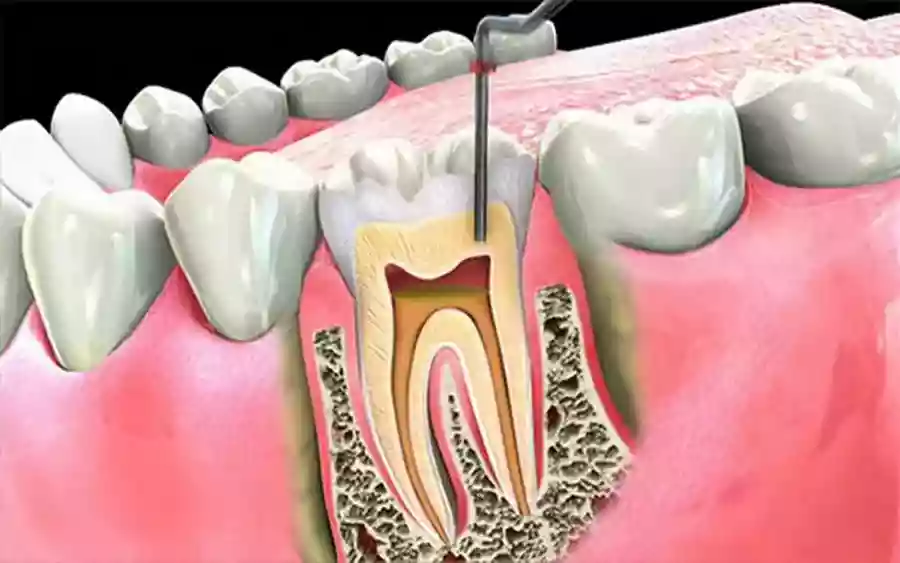
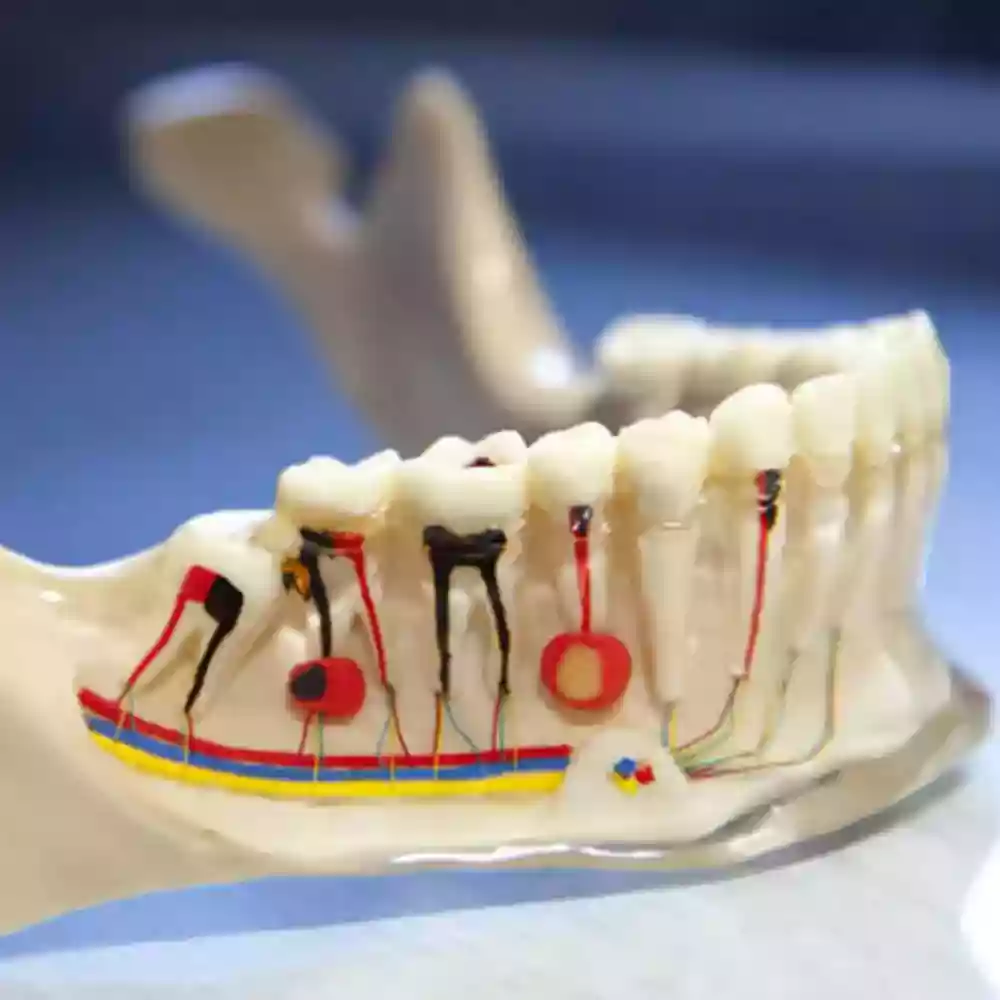
Inside each tooth is soft tissue called the pulp, which contains nerves and blood vessels and extends into the root canals. Deep decay, injury or cracks can inflame or infect the pulp. In some cases an abscess can develop around the root, with pain or swelling; other teeth may have few symptoms.
Root canal treatment, also called endodontic treatment, involves removing affected pulp tissue, cleaning and disinfecting the root canal system and sealing the canals. A mature permanent tooth may continue functioning without living pulp provided that it is properly restored and maintained. Treatment is intended to preserve a restorable natural tooth, although the outcome depends on its condition.
At MandarinDent, Root Canal Treatment in Bodrum is planned and carried out by our founding dentist, Dt. Nihat Taner , whose clinical interests include endodontics.
When Might Root Canal Treatment Be Needed?
Seek a dental assessment if you have ongoing toothache, prolonged sensitivity to hot or cold, or swelling around a tooth. A clinical examination, and X-rays when indicated, help determine whether root canal treatment is appropriate.
Standard Root Canal Treatment
Standard root canal treatment is used when the pulp of a permanent tooth is inflamed or infected and the tooth can be restored. With local anaesthetic where appropriate, the clinician removes affected tissue, cleans the root canals, and fills them before restoring the tooth.
How Is Standard Root Canal Treatment Performed?
- Examination and X-raysThe dentist assesses the roots and surrounding structures and discusses the treatment plan.
- Local anaestheticThe area is numbed to minimise discomfort during treatment.
- Removal of affected pulpInflamed or infected pulp tissue is removed from the tooth.
- Cleaning and filling the canalsThe root canals are cleaned, disinfected and sealed, commonly with gutta-percha.
- Final restorationA filling or crown is used to restore the tooth according to the remaining tooth structure.
Complex anatomy, infection or other clinical factors may require more than one appointment. The number and duration of visits are confirmed following assessment.
Root Canal Retreatment
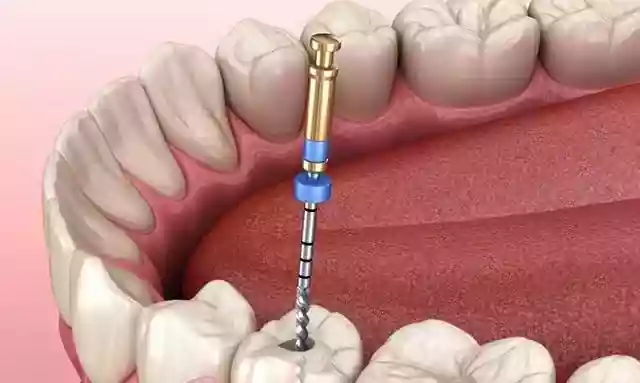
Root canal retreatment addresses a previously root-treated tooth that has not healed as expected or has developed a new infection. If symptoms or infection persist, retreatment may be considered before extraction, depending on the tooth’s condition.
When Might Root Canal Retreatment Be Needed?
How Is Root Canal Retreatment Performed?
- Examination and X-raysThe dentist reviews the existing root filling, tooth and surrounding tissues.
- Local anaestheticLocal anaesthetic is administered when appropriate.
- Removal of old root fillingPrevious filling material is carefully removed from the canals.
- Cleaning and disinfectionThe canals are examined, cleaned and disinfected again.
- Refilling the canalsThe canals are resealed, usually with gutta-percha.
- RestorationThe tooth is restored with a filling or crown as clinically indicated.
Retreatment or extraction? If the tooth is restorable, retreatment may be considered to retain it. Extraction or another approach may be more suitable for a tooth with an untreatable fracture or insufficient remaining structure. The decision follows clinical and radiographic assessment.
Root Canal Treatment for Children
Decay can progress in children’s teeth, and treatment may be considered when a primary tooth has significant pulpal damage or infection. Keeping a primary tooth until its normal shedding time can help maintain space for the permanent tooth. The suitable procedure depends on the tooth, root development and the child’s circumstances.

When Is Root Canal Treatment Considered for Children?
How Is Root Canal Treatment for Children Performed?
- Examination and assessmentThe dentist assesses the tooth and may recommend an X-ray.
- Local anaestheticThe area is numbed when appropriate to reduce discomfort.
- Removal of affected tissueInfected or damaged tissue is removed according to the planned procedure.
- Filling the root canalsFor a pulpectomy in a primary tooth, a suitable resorbable root-filling material may be used.
For a child’s permanent tooth, treatment is planned according to whether the root has finished developing. Primary tooth procedures can also include a pulpotomy; not every child requires full root canal treatment. The dentist will discuss the appropriate options after examination.
Aftercare Following Root Canal Treatment in Bodrum
Aftercare and a suitable final restoration are important for maintaining a treated tooth. Your dentist’s individual instructions take priority; the following guidance is general.
When should you seek prompt dental advice? Contact a dentist if you experience severe or worsening pain, noticeable swelling, fever, or difficulty biting. Increasing facial swelling or difficulty swallowing or breathing requires urgent medical assessment.
Which Root Canal Treatment in Bodrum Might Be Appropriate?
| Feature | Standard | Retreatment | Children |
|---|---|---|---|
| Usually considered for | Permanent teeth receiving their first root canal treatment | Teeth treated previously | Affected primary teeth, depending on development and diagnosis |
| Purpose | Attempt to preserve an infected, restorable tooth | Address persistent or recurrent disease after previous treatment | Maintain an appropriate primary tooth until natural shedding |
| Canal filling | Gutta-percha | Gutta-percha | Appropriate resorbable material for primary teeth |
| Appointments | Sometimes one | Two or more may be required | Decided after examination |
This table is a general overview only. The appropriate treatment and number of appointments depend on the findings of an individual dental assessment.
Frequently Asked Questions About Root Canal Treatment in Bodrum
Is Root Canal Treatment in Bodrum painful?
Local anaesthetic is commonly used to reduce discomfort during the procedure. Some tenderness can follow treatment; contact your dentist if pain is severe, persistent or worsening.
How many appointments does root canal treatment take?
Some teeth can be treated in one appointment, whereas more complex cases or retreatment may require multiple visits. Your dentist will discuss the expected treatment stages.
How long does a root canal appointment last?
An appointment may take about an hour, but the actual time depends on tooth anatomy, the number of canals and treatment complexity.
How long can a root-treated tooth last?
A properly treated and restored tooth may remain functional for many years. Longevity depends on its initial condition, the final restoration, oral hygiene and follow-up care.
Can a tooth have root canal treatment a second time?
Yes, retreatment may be possible if a previously treated tooth has a continuing or new problem. Examination and imaging help determine whether it remains suitable for treatment.
Will I need a crown after root canal treatment?
Some teeth need a crown, while others can be restored with a filling. Your dentist will recommend an option based on the amount of remaining tooth structure and the forces on the tooth.
Can root canal treatment be performed on a baby tooth?
Yes. Depending on the condition of the primary tooth, a dentist may recommend a pulpotomy, pulpectomy or another appropriate treatment to help preserve it.
Root canal treatment or extraction: which is better?
If a tooth is restorable, preserving it may be an option. Extraction is considered when the tooth cannot be predictably retained or an alternative is clinically more appropriate. Your dentist should explain the options and their risks.
Arrange a Consultation for Root Canal Treatment in Bodrum
Yokuşbaşı Mah., Hasan Reşat Öncü Cad. No:16, Bodrum, Muğla, Türkiye
Consultations for Root Canal Treatment in Bodrum take place at MandarinDent in central Bodrum. For more information about other services, visit our Treatments page.