
Bodrum Pediatric Dentistry (Pedodontics): Healthy Transition from Primary to Permanent Teeth
At MandarinDent, overall Bodrum Pediatric Dentistry (Pedodontics) includes primary tooth treatments, pediatric tooth extractions, fissure sealants, and fluoride applications. The goal is to protect your child’s teeth from decay and keep primary teeth healthy until permanent teeth emerge.
Oral health in childhood affects the alignment of permanent teeth and the child’s long-term relationship with the dentist. On this page, you will find four main pediatric dentistry topics in Bodrum, along with answers to the questions most frequently asked by parents for each topic.
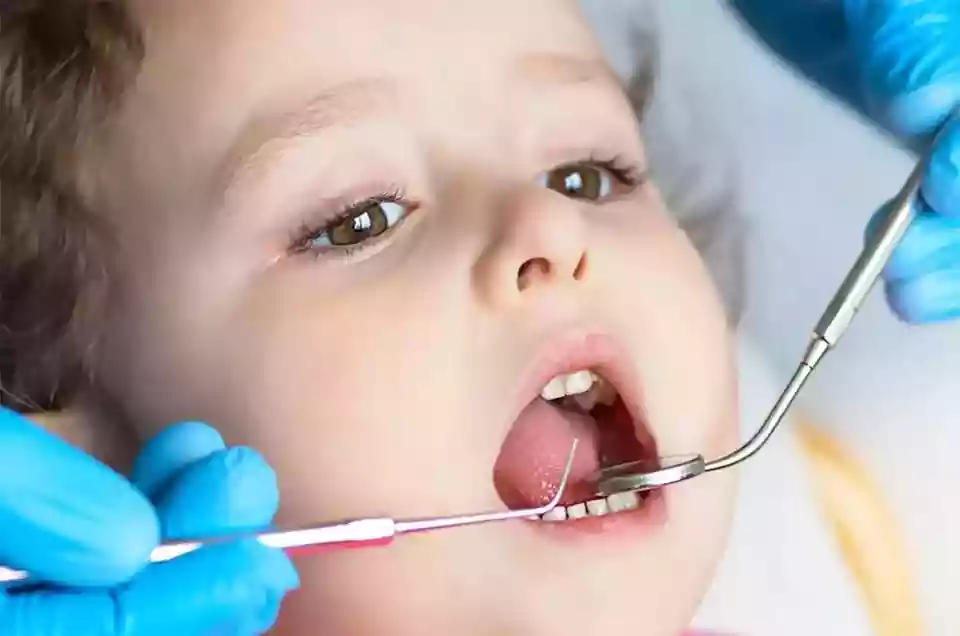
Four Key Topics in Bodrum Pediatric Dentistry (Pedodontics)
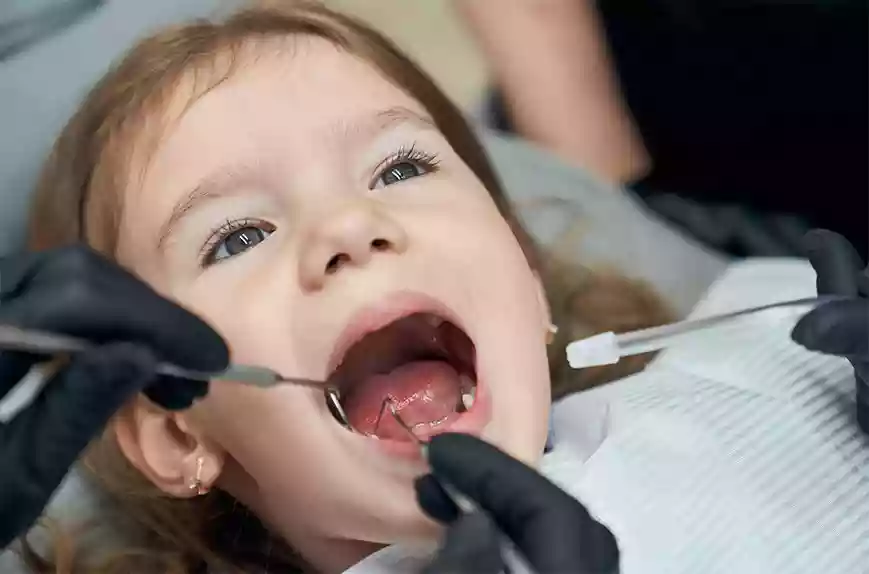 Pediatric Tooth ExtractionExtraction of over-retained, unsalvageable, or traumatized primary teeth.When Necessary
Primary Tooth TreatmentsFillings, root canal therapy, and space maintainers for primary teeth.Restorative Treatments
Pediatric Tooth ExtractionExtraction of over-retained, unsalvageable, or traumatized primary teeth.When Necessary
Primary Tooth TreatmentsFillings, root canal therapy, and space maintainers for primary teeth.Restorative Treatments
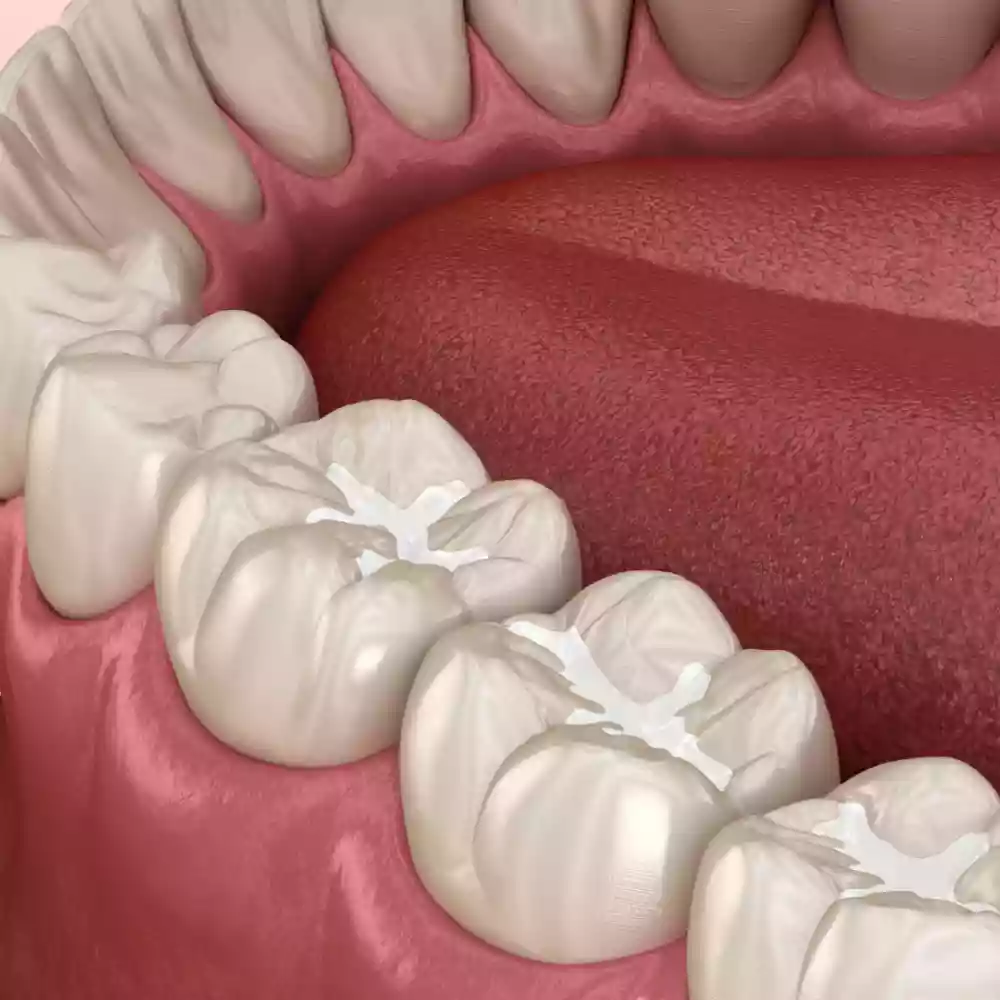 Fissure SealantsProtective coating applied to the grooves of molar teeth.Preventive
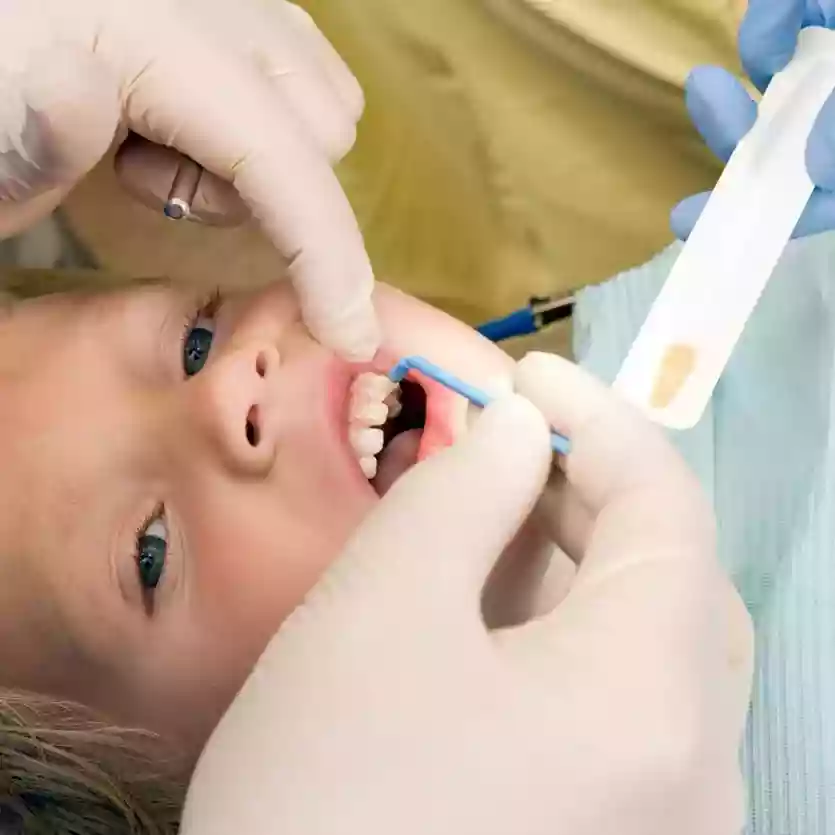 Fluoride TreatmentProtective application strengthening tooth enamel against decay.Preventive
First Dental Examination in Children and Primary Teeth
Primary teeth begin to erupt around 6 months of age and complete a set of 20 teeth by age 2.5 to 3. Around age six, the first primary teeth begin to fall out, and the first permanent molars erupt; this transition continues until age 12–13. Because the first permanent molar erupts behind the primary teeth without replacing any fallen tooth, parents often mistake it for a primary tooth; however, it is a tooth intended for a lifetime.
When Should the First Examination Be Done?
For comprehensive Bodrum Pediatric Dentistry (Pedodontics) care, the first visit is recommended after the first primary tooth erupts and no later than 1 year of age. During this visit, the child’s teeth and jaw development are evaluated; guidance on nutrition, bottle use, and brushing techniques is provided to parents. Regular follow-ups are typically scheduled every 6 months.
What Happens During a Bodrum Pediatric Dental Visit?
In specialized Bodrum Pediatric Dentistry (Pedodontics) examinations, the primary goal is making the child feel safe. The instruments to be used are shown to the child and explained in simple terms. Teeth, gums, and bite alignment are inspected, and digital X-rays are taken if needed. Decay risk is evaluated, and necessary preventive measures are determined. If treatment is required, a customized plan is made with the parents.
Main Causes of Tooth Decay in Children
Families seeking Bodrum Pediatric Dentistry (Pedodontics) solutions often share similar habits underlying dental decay in their children.
Pediatric Tooth Extraction
Most primary teeth fall out naturally when the time comes. Pediatric tooth extraction is performed when a tooth fails to fall out on time, cannot be saved by treatment, or is severely damaged by trauma as a last resort. In our Bodrum Pediatric Dentistry (Pedodontics) approach, priority is always given to treating and saving the primary tooth; extraction is the final option.
When Is Pediatric Tooth Extraction Required?
In Bodrum Pediatric Dentistry (Pedodontics) visits, extraction decisions are made based on X-ray evaluations. The main reasons include:
How Is Tooth Extraction Performed in Children?
- Examination and X-rayThe tooth root, underlying permanent tooth, and surrounding tissues are assessed.
- PreparationThe procedure is explained to the child in child-friendly, reassuring terms.
- Local AnesthesiaA topical numbing gel is applied to the gums first, followed by gentle local anesthesia.
- ExtractionThe tooth is gently loosened and removed; simple extractions take only a few minutes.
- Bleeding ControlA sterile gauze pad is placed over the area and the child is asked to bite gently.
- Post-Op CareAftercare instructions and space maintainer plans (if necessary) are discussed with parents.
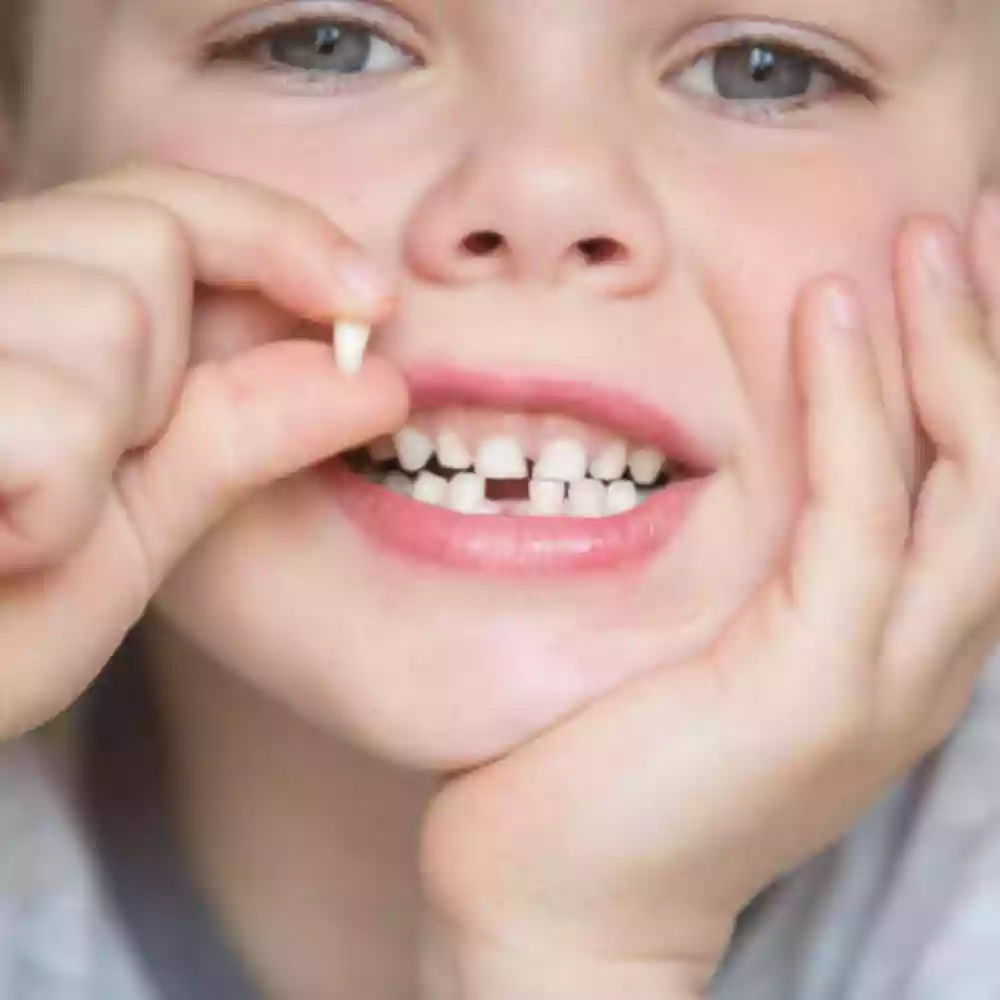
At our clinic, extractions are performed under local anesthesia. For very young or uncooperative children, or during extensive treatments, sedation or general anesthesia may be recommended at specialized centers.
Post-Extraction Care Instructions
The first few hours after an extraction are essential in pediatric dental procedures; please follow these steps:
Frequently Asked Questions About Pediatric Tooth Extractions
Why does my child need a primary tooth extracted?
A primary tooth is extracted if it fails to fall out naturally and blocks permanent tooth eruption, if decay is too severe to save with fillings or root canals, if an abscess forms, or if severe trauma occurs. Extraction is always a last resort.
How long does a primary tooth extraction take?
Simple primary tooth extractions take only a few minutes once the area is numbed. Most children return to normal activities the same day.
When can my child eat after a tooth extraction?
Wait until local numbness completely fades before eating, as children may unknowingly bite their numb lips or cheek. Offer soft, room-temperature foods first and avoid hot foods on the first day.
Does an early extracted tooth leave a gap?
When a primary molar is extracted prematurely, neighboring teeth may drift into the empty space, leaving insufficient room for permanent teeth. A space maintainer may be applied to preserve the space if necessary.
Primary Tooth Treatments
Primary teeth facilitate chewing and speech, guide jaw growth, and hold space for permanent teeth beneath them. Because primary enamel is thinner than permanent enamel, decay progresses rapidly. Early loss of primary teeth due to decay or injury can cause tooth alignment issues later in life. Bodrum Pediatric Dentistry (Pedodontics) aims to maintain primary teeth in healthy condition until they shed naturally.
Primary Tooth Treatment Options
Key treatment options provided in Bodrum Pediatric Dentistry (Pedodontics) include:
What Is a Space Maintainer?
A space maintainer is a small appliance used to preserve space after early loss of a primary molar until the permanent successor erupts. Without a space maintainer, adjacent teeth shift into the vacant gap, causing crowding and complex orthodontic problems in the future.
Space maintainers can be fixed or removable, depending on your child’s age and missing tooth location. The appliance is easily removed once the permanent tooth begins to emerge. Not every early extraction requires a space maintainer; your dentist decides based on digital X-rays.

What to Do in Case of Dental Trauma?
Accidental falls and physical impacts are common among active children. In Bodrum Pediatric Dentistry (Pedodontics), timing is crucial during trauma cases.
Frequently Asked Questions About Primary Tooth Treatments
Primary teeth fall out anyway, why treat them?
Primary teeth are essential for chewing, speech, jaw development, and guiding permanent teeth into place. Untreated decay causes pain, abscesses, damages permanent teeth, and prematurely lost primary teeth lead to severe crowding.
Can primary teeth receive root canal treatment?
Yes. When decay reaches the tooth nerve, root canal therapy is performed to save the primary tooth. Removing only the upper nerve chamber is called a pulpotomi, while cleaning root canals completely is called a pulpektomi.
My child chipped or knocked out a tooth, what should I do?
Remain calm and contact your dentist immediately. Bring any broken tooth pieces. If a permanent tooth is completely knocked out, store it in cold milk and seek immediate care. Do not reinsert knocked-out primary teeth.
How long do primary tooth fillings last?
Fillings are designed to remain functional until the primary tooth sheds naturally. Longevity depends on decay size, dietary habits, and oral hygiene, all evaluated during routine dental visits.
Fissure Sealants (Preventive Coatings)
Tooth decay in children occurs most frequently on the chewing surfaces of molar teeth. Toothbrush bristles cannot reach deep, narrow grooves (fissures) where food debris and bacteria accumulate. Fissure sealants flow into these grooves, creating a smooth surface that is easy to brush clean. In Bodrum Pediatric Dentistry (Pedodontics), sealants are a key preventive procedure applied before decay starts.
How Are Fissure Sealants Applied?
In Bodrum Pediatric Dentistry (Pedodontics), fissure sealing serves as an ideal introductory procedure to help children become comfortable with dental visits.
- CleaningChewing surfaces of the tooth are thoroughly cleaned using specialized brushes.
- ConditioningAn etching gel is applied briefly to help sealant material bond, then rinsed and dried.
- ApplicationFlowable sealant material is painted into pits and fissures.
- Light CuringA special blue light cures and hardens the material instantly.
- Final CheckOcclusion and coverage are verified to ensure maximum comfort.
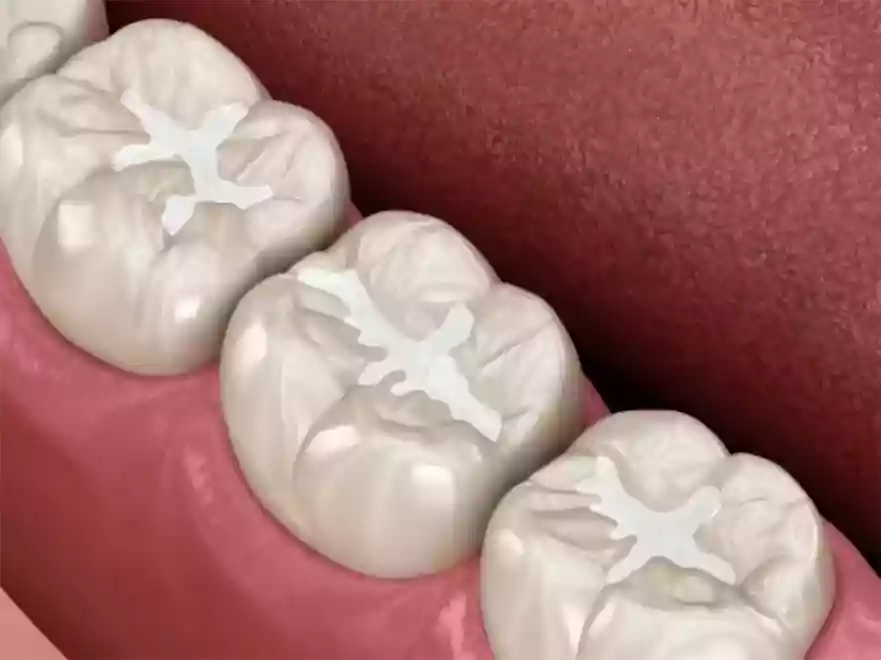
Children can immediately resume normal activities and eat right after sealant placement without waiting.
At What Age Should Sealants Be Applied?
Children’s fine motor skills are generally insufficient for effective solo toothbrushing until ages 9–10. In Bodrum Pediatric Dentistry (Pedodontics) check-ups, newly erupted molars are routinely checked for sealant suitability during these critical years.
Difference Between Fissure Sealants and Fillings
Frequently Asked Questions About Fissure Sealants
Does fissure sealant application hurt?
No. Sealant procedures do not require injections or tooth drilling, eliminating the need for local anesthesia. The tooth is simply cleaned, coated, and light-cured within a few minutes.
How long do fissure sealants last?
Sealants provide protection for an average of 3–5 years. Because they can wear down over time, their condition is monitored during routine check-ups and topped up if necessary.
Does a sealed tooth ever decay?
Sealants significantly reduce decay risk on chewing surfaces; however, they do not protect side contacts between teeth. Daily brushing, flossing, and regular dental check-ups remain necessary.
Is a sealant the same thing as a filling?
No. A sealant is a protective layer applied over healthy teeth to prevent decay. Fillings are placed to repair teeth after decay has already damaged tooth structure.
Professional Fluoride Treatment
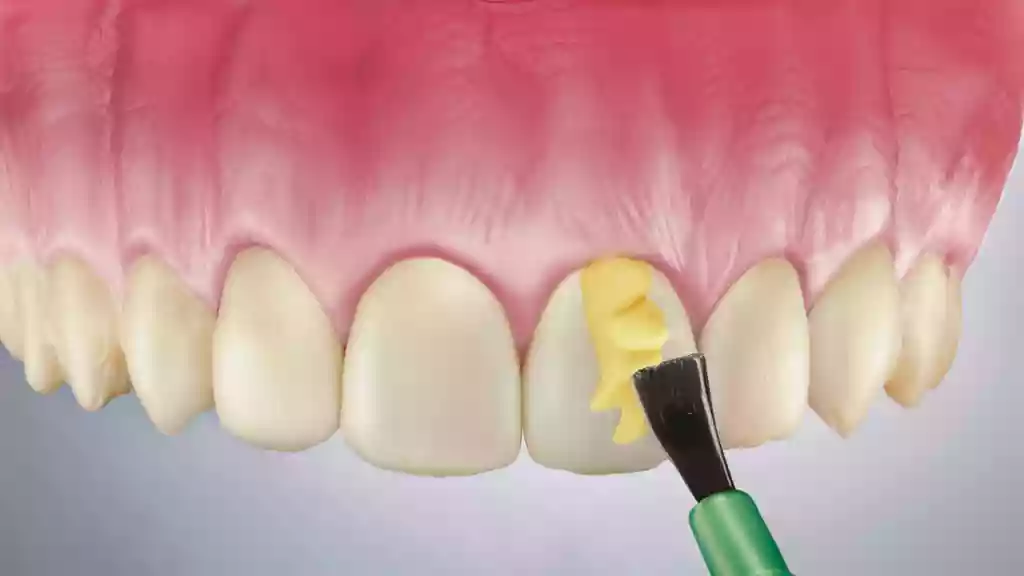
Fluoride application involves applying professional-strength fluoride gel or varnish directly onto teeth. Fluoride integrates into tooth enamel, strengthening it against acid attacks and arresting early enamel lesions before full decay develops. When applied regularly, it lowers decay risk in both primary and permanent teeth. In Bodrum Pediatric Dentistry (Pedodontics), fluoride treatment is among our most popular preventive applications alongside sealants.
Who Should Receive Professional Fluoride Treatment?
During Bodrum Pediatric Dentistry (Pedodontics) visits, caries risk assessments determine fluoride recommendations for:
How Is Fluoride Applied?
- Cleaning TeethTeeth surfaces are cleaned with special prophylaxis brushes and dried.
- Applying FluorideProfessional fluoride gel or varnish is painted onto tooth surfaces.
- AbsorptionA brief waiting period allows fluoride bonding to enamel.
- CompletionThe child can immediately return to daily activities.
Post-Fluoride Care Guidelines
Aftercare instructions for fluoride varnish applications in Bodrum Pediatric Dentistry (Pedodontics) are simple:
At-Home Fluoride Toothpaste Usage
Fluoridated toothpaste can be used from the eruption of the first tooth; controlling dosage is key. For children under 3 years, use a tiny smear (rice grain size). For children aged 3–6, use a pea-sized amount. Because young children tend to swallow toothpaste, brushing should always be performed or closely supervised by adults. Age-appropriate recommendations are provided during Bodrum Pediatric Dentistry (Pedodontics) check-ups.
Frequently Asked Questions About Fluoride Treatments
How often should fluoride treatments be done?
Fluoride applications are generally recommended twice a year. For children at higher risk of decay, applications may be scheduled every 3–4 months based on clinical evaluation.
Is professional fluoride safe for children?
When applied by a dentist in age-appropriate quantities, fluoride treatments are proven safe and effective. At home, ensure young children do not swallow toothpaste by supervising amounts used.
At what age can fluoride applications start?
Professional fluoride applications typically start at age 3. Dentists may recommend earlier applications for infants showing elevated risk of early childhood caries.
When can my child eat after a fluoride treatment?
Wait at least 30 minutes before offering food or drinks. Avoid hard, sticky, or hot items for a few hours to maximize fluoride absorption.
Bodrum Pediatric Dentistry (Pedodontics): Home Oral Care Recommendations
While preventive treatments greatly reduce decay risk, daily oral hygiene at home forms the cornerstone of dental health. Essential tips shared during Bodrum Pediatric Dentistry (Pedodontics) consultations include:
General Questions About Pediatric Dentistry
What treatments does Bodrum Pediatric Dentistry (Pedodontics) cover?
Bodrum Pediatric Dentistry (Pedodontics) covers primary tooth fillings and root canals, tooth extractions, space maintainers, fissure sealants, fluoride treatments, and dental trauma management.
When should I take my child for their first dental visit?
The first dental examination should occur after the first tooth erupts, and no later than age 1. Early non-invasive visits build trust and help parents learn proper oral hygiene routines.
My child is afraid of the dentist, what should I do?
Avoid using dental visits as threats and refrain from using triggering words like “shots” or “pain”. Explain procedures simply and positively. Planning a initial visit strictly for introduction helps eliminate anxiety.
Schedule your appointment for a Bodrum Pediatric Dentistry (Pedodontics) consultation.
Book AppointmentYokuşbaşı Mh. Hasan Reşat Öncü Cd. No:16, Bodrum / MUĞLA
Bodrum Pediatric Dentistry (Pedodontics) procedures at our clinic are planned by Dr. Nihat Taner. For other treatment services, visit our Treatments page.