
Bodrum Oral Surgery Procedures: Comprehensive Surgical Care
When considering Bodrum Oral Surgery Procedures, MandarinDent offers expert solutions including apicoectomy, jaw cyst surgery, frenectomy, impacted tooth extraction, and sinus lifting treatments. These advanced surgical procedures provide long-lasting results for complex dental conditions that cannot be resolved with routine fillings or root canal therapy.
The word ‘surgery’ often causes anxiety for many patients; however, most of our professional Bodrum oral surgery procedures are performed under local anesthesia in a short time within a comfortable clinical setting. Below, you will find five key surgical topics listed alphabetically, along with frequently asked questions for each procedure.
Five Key Bodrum Oral Surgery Procedures
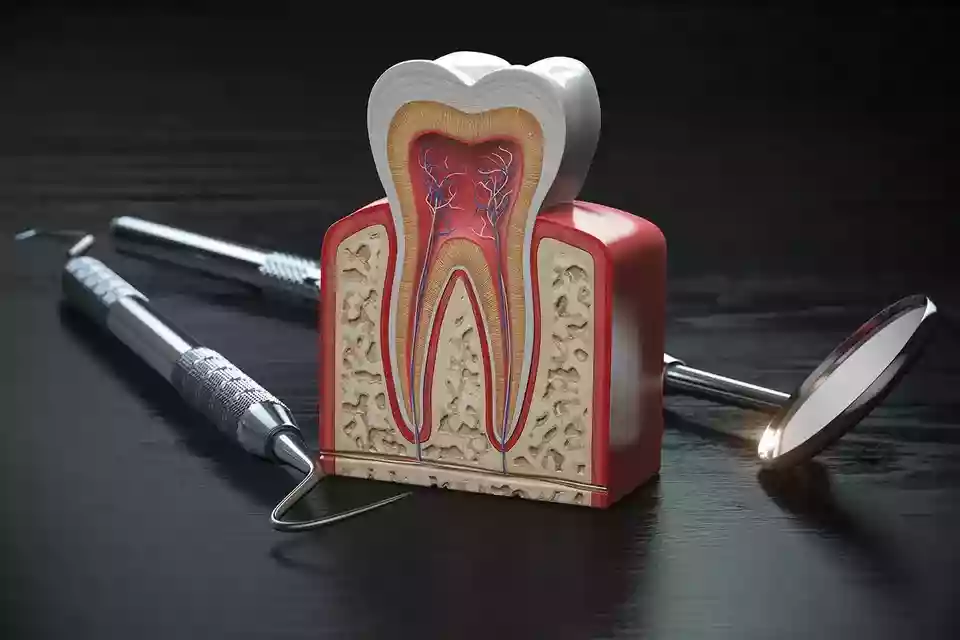 ApicoectomySurgical removal of infection at the root tip.To save the tooth
 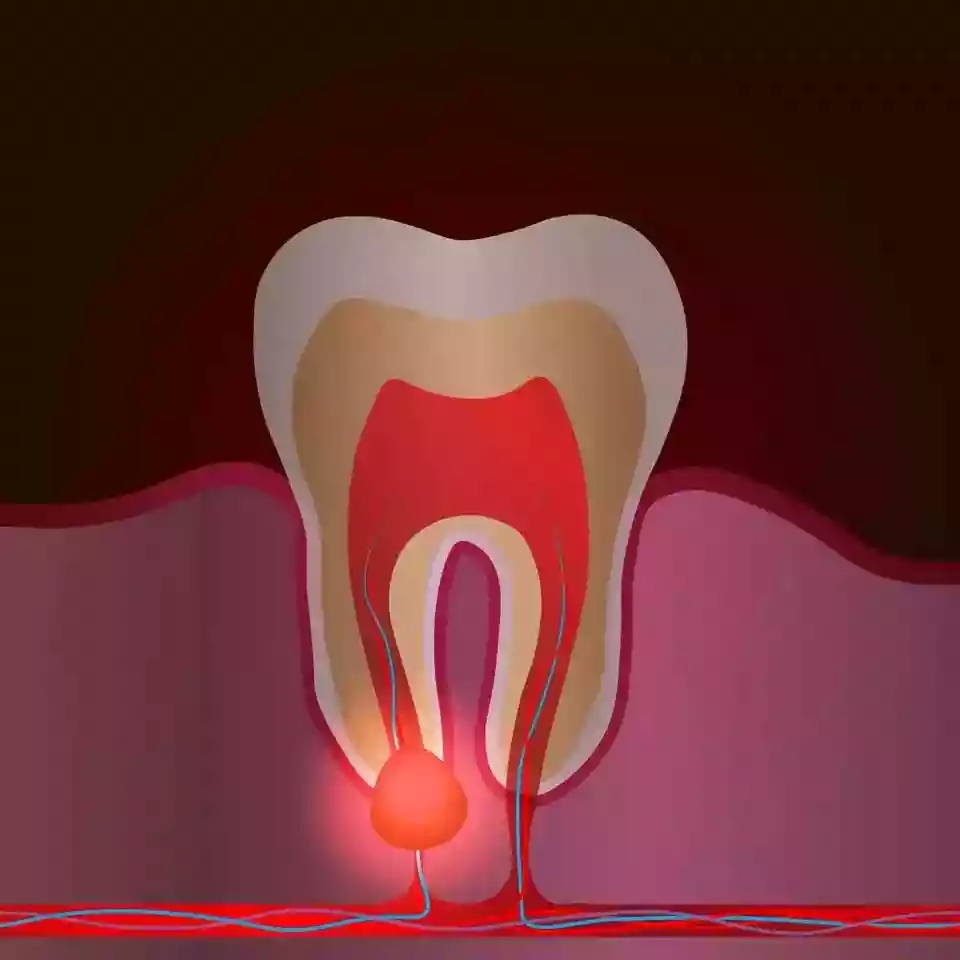 Jaw Cyst SurgeryRemoval of the cyst inside the jawbone.To protect the bone
 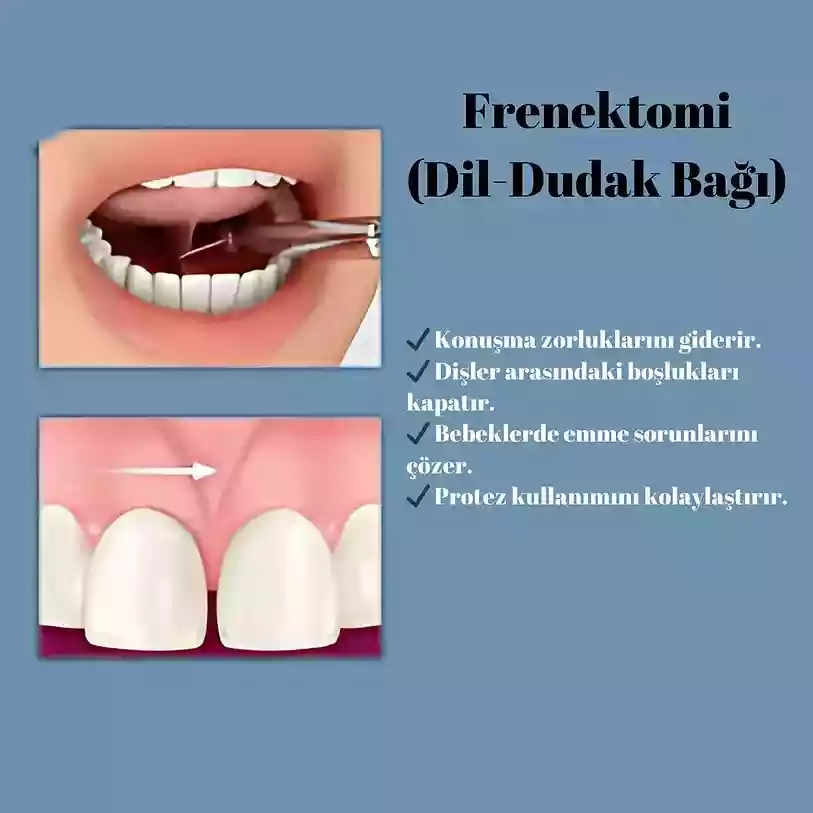 FrenectomyCorrection of the tongue or lip tie.Quick procedure Impacted Tooth ExtractionSurgical extraction of unerupted wisdom and other impacted teeth.Wisdom teeth
 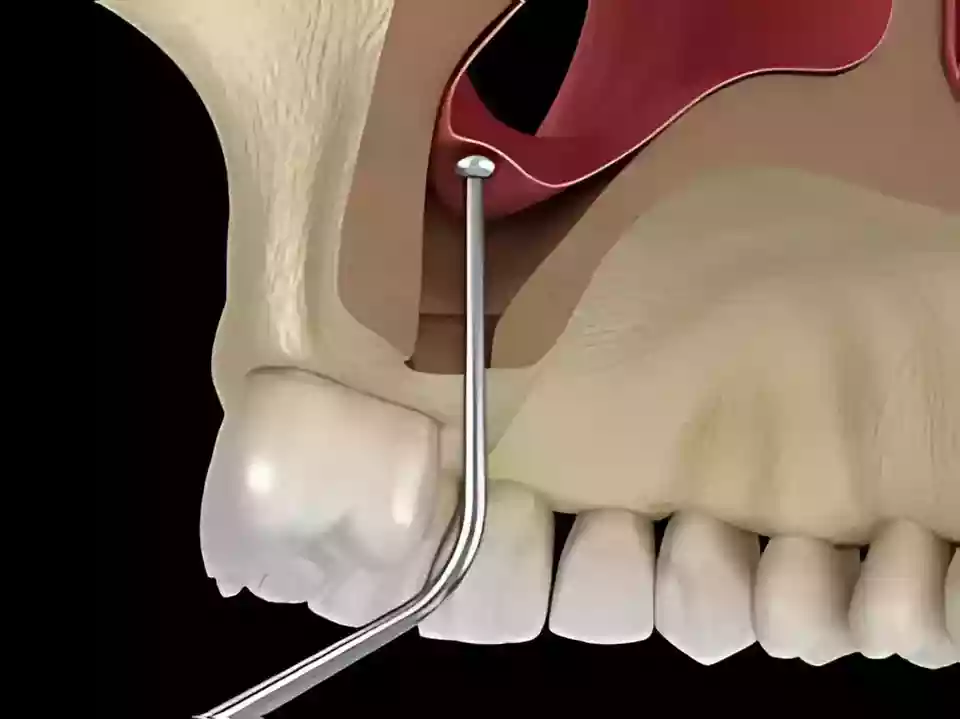 Sinus LiftingIncreasing bone height in the upper jaw prior to implants.Before implants
What You Should Know Before Bodrum Oral Surgery Procedures
All Bodrum oral surgery procedures are carefully planned through clinical examination and digital imaging. A panoramic X-ray is sufficient in most cases; 3D tomography is requested when a detailed view of the tooth’s proximity to nerves or sinuses, cyst boundaries, or bone volume is required. How the procedure will be performed, its duration, potential risks, and alternatives will be explained to you before the treatment, and your consent will be obtained.
Pre-Procedure Preparation
Prior to undergoing Bodrum oral surgery procedures, the following preparations help ensure the treatment and recovery process go smoothly.
Five Procedures at a Glance
The applications and recovery times of the five treatments under Bodrum oral surgery procedures are summarized in the table below.
| Procedure | When is it performed? | Recovery |
|---|---|---|
| Apicoectomy | Persistent infection at root tip despite root canal treatment | Wound 1–2 weeks; bone over several months |
| Jaw cyst surgery | When a cyst is detected in the jawbone | Small cysts 1–2 weeks; several months for bone in larger ones |
| Frenectomy | When lip or tongue tie restricts movement | 3–10 days |
| Impacted tooth extraction | When an impacted tooth causes problems | 1–2 weeks |
| Sinus lifting | When bone is insufficient for upper jaw implants | 4–6 months for graft integration |
Apicoectomy as Part of Bodrum Oral Surgery Procedures
Apicoectomy is also known as root-end surgery. When the infection at the root tip of a root-canal-treated tooth does not heal, access is gained through the gum, the infected tissue is removed, a few millimeters of the root tip are excised, and the end of the root canal is sealed with a special filling material. The goal is to retain the tooth in the mouth without extracting it. Among Bodrum oral surgery procedures, apicoectomy is an option for teeth where root canal therapy alone is insufficient.
When is an apicoectomy necessary?
Re-treatment of the root canal is usually the first choice for root tip infections. Apicoectomy is considered when retreatment is not possible or yields no result.
Symptoms
Symptoms that bring patients seeking Bodrum oral surgery procedures to consider an apicoectomy include:
Some lesions cause no symptoms at all and are detected during routine follow-up X-rays.
How is an apicoectomy performed?
- Examination and imagingLesion size and proximity to adjacent structures are evaluated via X-ray or 3D tomography.
- Local anesthesiaThe area is numbed.
- Accessing the root tipA small incision is made to lift the gum tissue and reach the root tip.
- Cleaning and resectionInfected tissue is cleared away; a few millimeters of the root tip are excised.
- Root tip sealingThe root canal tip is sealed with biocompatible filling material.
- SuturingThe gum tissue is placed back into position and sutured.
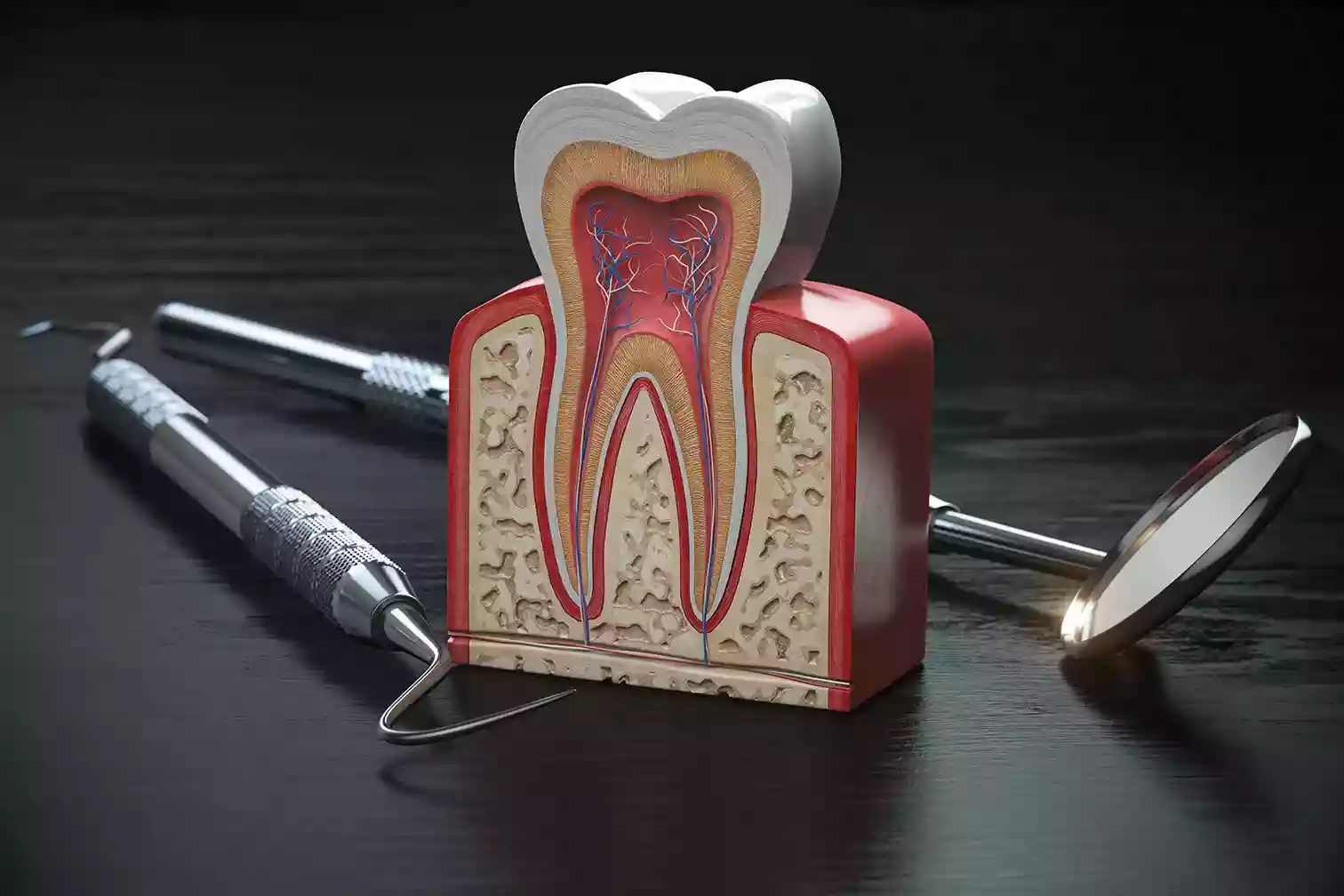
Post-apicoectomy instructions
As with all Bodrum oral surgery procedures, the first few days following an apicoectomy are decisive.
Frequently asked questions about apicoectomy
In which cases is an apicoectomy performed?
It is performed when the infection at the root tip of a root-canal-treated tooth does not heal and repeating root canal therapy is either impossible or has produced no results. The goal is to clear the infection without extracting the tooth.
Can root canal treatment be repeated instead of an apicoectomy?
In most cases, repeating root canal treatment is the primary choice. If there is an unremovable post or broken instrument in the canal, if the canal is blocked, or if the infection persists despite retreatment, an apicoectomy comes into consideration.
How long does recovery take after an apicoectomy?
The gum wound usually heals within 1–2 weeks; sutures are typically removed in about a week. The filling of bone tissue around the root tip takes several months and is monitored through follow-up X-rays.
Can an apicoectomy be performed on any tooth?
No. Teeth with longitudinal root fractures, extensive loss of surrounding bone support, or excessively short roots do not yield successful results; in such cases, extraction followed by implants or bridges is evaluated.
Jaw Cyst Surgery in Bodrum Oral Surgery Procedures
A jaw cyst is a fluid- or semi-solid-filled sac lined by a membrane that develops inside the jawbone. It often grows slowly without symptoms and gradually resorbs the surrounding bone as it expands. Jaw cyst surgery involves the complete removal of the cyst along with its lining membrane. Within Bodrum oral surgery procedures, cysts are mostly detected incidentally on X-rays taken for other reasons; this underscores the importance of regular dental check-ups.
Causes of jaw cysts
The primary causes of jaw cysts treated under Bodrum oral surgery procedures include:
Symptoms of jaw cysts
How is jaw cyst surgery performed?
- ImagingX-ray or 3D tomography determines the cyst size, boundaries, and relationship to neighboring structures.
- AnesthesiaSmall and medium-sized cysts are removed under local anesthesia.
- Cyst removalThe gum is lifted, and the cyst is carefully removed along with its membrane; root canal therapy, apicoectomy, or extraction for the involved tooth may be added to the plan.
- ClosureThe area is cleaned and sutured; bone grafts may be used in large cavities.
- PathologyThe removed tissue is sent to a pathology laboratory for examination.
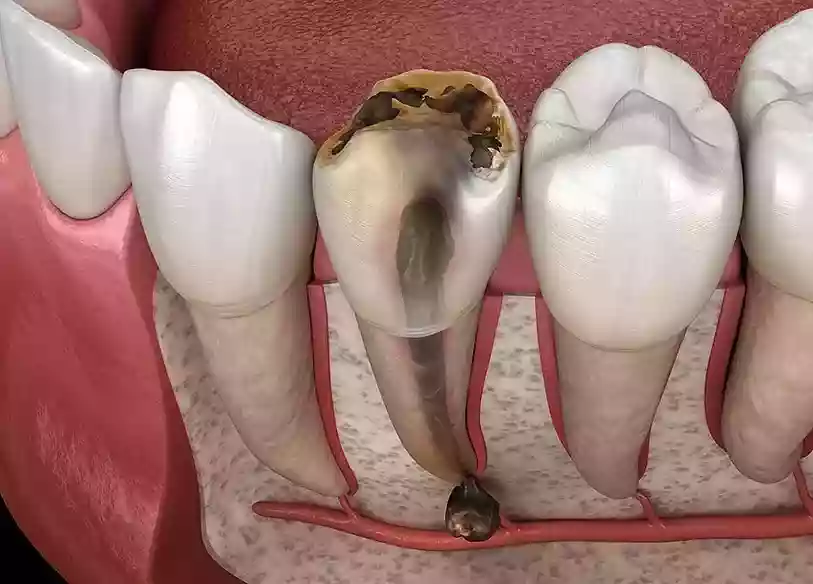
For very large cysts, decompression (marsupialization) to shrink the cyst first or general anesthesia may be required; in such cases, the patient is referred to a hospital facility.
Post-jaw cyst surgery care
In addition to general instructions for Bodrum oral surgery procedures, pay attention to the following after cyst surgery:
Frequently asked questions about jaw cyst surgery
Does a jaw cyst cause symptoms?
Jaw cysts often grow slowly without symptoms and are detected incidentally on X-rays taken for other reasons. As they grow, swelling, tooth displacement, or pain and abscess (if infected) may occur.
Can a jaw cyst resolve on its own?
No. Cysts do not disappear on their own and cannot be treated with medication; as they grow, they resorb surrounding bone. Therefore, follow-up or surgical treatment is planned upon diagnosis.
Why is the removed cyst sent to pathology?
The exact nature of lesions inside the jaw cannot be determined by X-rays alone. The removed tissue is examined in a pathology laboratory to confirm a definitive diagnosis and dictate follow-up frequency.
Can a jaw cyst recur after surgery?
The likelihood of recurrence depends on the specific type of cyst. For this reason, follow-up X-rays are taken at intervals determined by your dentist after surgery.
Frenectomy in Bodrum Oral Surgery Procedures
A frenum is a thin band of tissue attaching the lip and tongue to the gum or floor of the mouth. When this attachment is abnormally short, thick, or attached too close to the gum margin, it can restrict tongue and lip movement or pull on the gums. A frenectomy is the surgical release, excision, or reshaping of this tissue band. Among Bodrum oral surgery procedures, it is one of the quickest to perform.
When is a frenectomy necessary?
During consultations for Bodrum oral surgery procedures, a frenectomy is evaluated in the following cases:
Types of frenectomy
During a Bodrum oral surgery procedures consultation, the frenum’s location, thickness, and associated issues are evaluated; if no problem exists, simple monitoring is advised.

How is a frenectomy performed?
- EvaluationThe issues caused by the frenum and the necessity of the procedure are assessed.
- Local anesthesiaThe area is numbed.
- Frenum releaseThe tissue band is severed or reshaped using a scalpel or laser.
- ClosureA few sutures are placed when using a scalpel; laser procedures usually require no sutures.
Post-frenectomy care
A frenectomy is a low-risk procedure. Mild bleeding, swelling, and rarely re-attachment of the tissue may occur.
Frequently asked questions about frenectomy
How many minutes does a frenectomy take?
A frenectomy is a short procedure performed under local anesthesia and is usually completed within 15–30 minutes.
Does a frenectomy close the gap between front teeth?
Not by itself. If a labial tie caused the gap, a frenectomy helps prevent the space closed by orthodontic treatment from reopening. Timing is determined by the orthodontic plan.
How long is recovery after a frenectomy?
Recovery typically takes 3–5 days with laser frenectomy and 7–10 days with a scalpel. Duration varies based on age, general health, and frenum structure.
Does every child with tongue tie require a frenectomy?
No. The procedure is considered if tongue tie significantly restricts nursing, speech, or tongue mobility. In infants, the decision is made jointly with a pediatrician and lactation consultant.
Impacted Tooth Extraction in Bodrum Oral Surgery Procedures
An impacted tooth is one that remains partially or fully beneath the jawbone or gum tissue past its normal eruption time. Third molars (wisdom teeth) are most commonly impacted, followed by upper canines. Impacted teeth may remain asymptomatic for years, or they can cause pain, infection, and damage to neighboring teeth. Impacted tooth extraction is a surgical procedure. Within Bodrum oral surgery procedures, wisdom tooth extraction is the most frequently performed procedure.
When is impacted tooth extraction necessary?
Under Bodrum oral surgery procedures, extraction of an impacted tooth is decided in the following situations:
Asymptomatic impacted teeth that cause no harm do not always need extraction; they can be monitored with periodic X-rays.
How is an impacted tooth extraction performed?
- Examination and X-rayPanoramic X-ray or 3D imaging evaluates tooth position, root anatomy, and nerve proximity.
- Local anesthesiaThe area is numbed.
- Accessing the toothThe gum is lifted; if necessary, a small amount of bone covering the tooth is removed.
- Sectioning and removalThe tooth is often sectioned into pieces for removal, minimizing bone removal.
- SuturingThe area is cleaned and sutured; stitches may be resorbable or removed at follow-up.
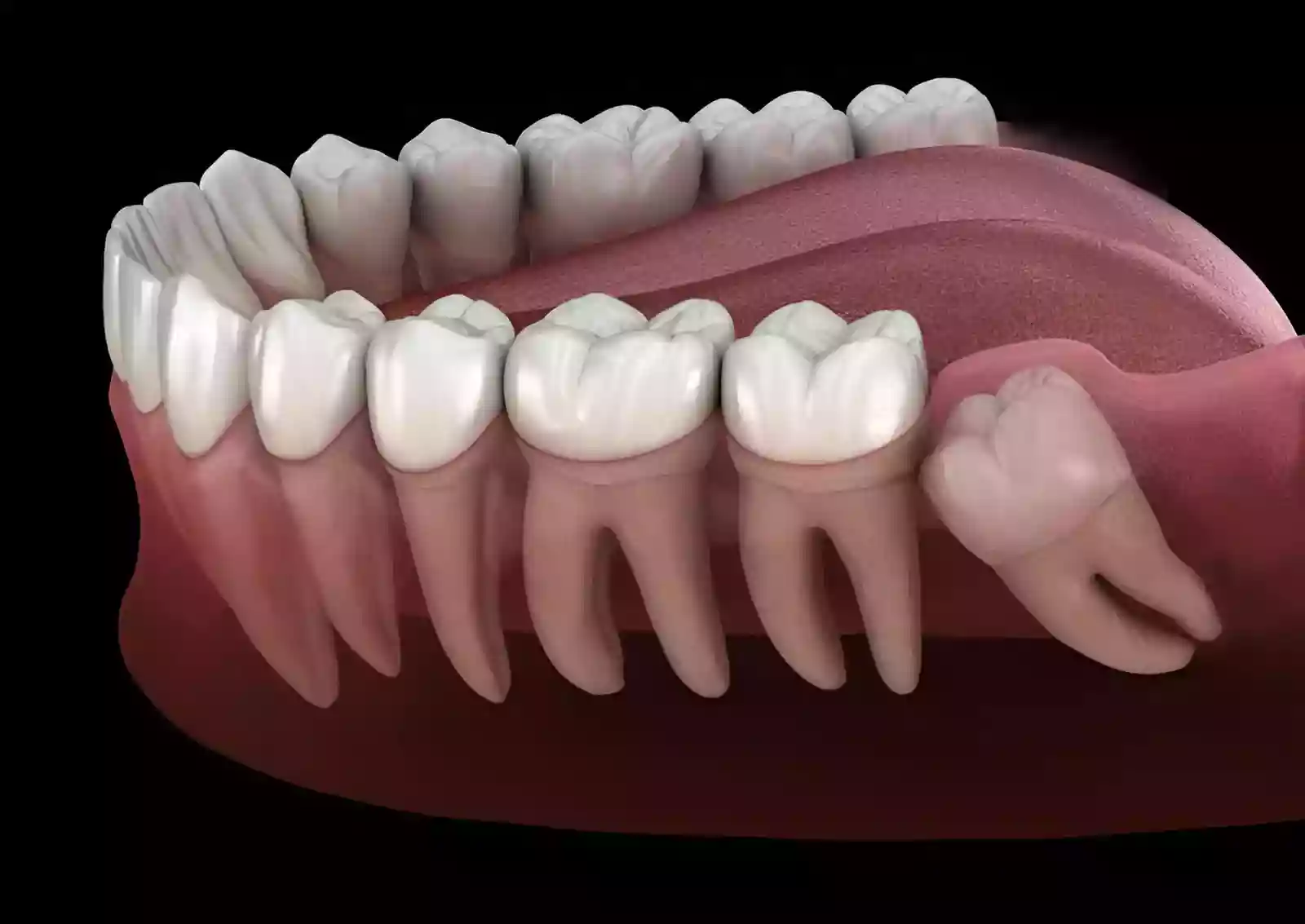
Potential risks
Risks are thoroughly explained to the patient prior to Bodrum oral surgery procedures.
As with any surgical procedure, pain, swelling, bruising, and temporary limitation in mouth opening may occur. If the blood clot dissolves, a dry socket (alveolitis) accompanied by severe pain around the third day may develop. If the roots of lower wisdom teeth are close to the nerve, temporary numbness in the lip or tongue may occur; this risk is assessed on X-rays and explained prior to treatment.
Post-impacted tooth extraction instructions
Frequently asked questions about impacted tooth extraction
Does every impacted tooth need to be extracted?
No. Asymptomatic impacted teeth that do not harm adjacent teeth and show no cyst or infection can be monitored with regular X-rays. The decision to extract is made through examination and imaging.
How long does impacted tooth extraction take?
The time varies depending on tooth position and depth in bone; most extractions are completed within 20–45 minutes.
Is swelling normal after impacted tooth extraction?
Yes. Swelling typically peaks on the second and third days, then subsides. Intermittent cold applications on the first day limit swelling. If pain increases after the third day, or if fever or foul odor occurs, contact the clinic.
When can I return to work after wisdom tooth extraction?
Most patients return to daily routines within 1–3 days. For heavy physical labor or difficult extractions, this period may extend by a few days.
Sinus Lifting in Bodrum Oral Surgery Procedures
Directly above the posterior upper jaw, inside the cheekbones, lie the maxillary sinuses. When teeth in this area are lost, bone resorbs over time, and the sinus cavity expands downward; sufficient bone height to anchor dental implants may no longer remain. Sinus lifting involves carefully elevating the sinus membrane and placing bone graft material in the created space to increase bone height. Among Bodrum oral surgery procedures, sinus lifting is indicated only for patients planning upper jaw implants with inadequate bone height.
Who is a candidate for sinus lifting?
During planning for Bodrum oral surgery procedures, sinus lifting is considered for:
In patients with active sinus infections (sinusitis), the infection must be treated first. Smoking impairs graft integration, so quitting before the procedure is strongly recommended.
How is sinus lifting performed?
- PlanningX-rays and 3D tomography measure sinus anatomy and current bone height.
- Local anesthesiaThe area is numbed.
- Elevating the sinus membraneAccess to the sinus membrane is gained, and it is carefully lifted without tearing.
- GraftingBone graft material (autogenous or processed graft materials) is placed into the space created.
- Closure and healingThe site is sutured; graft integration with bone typically takes 4–6 months.
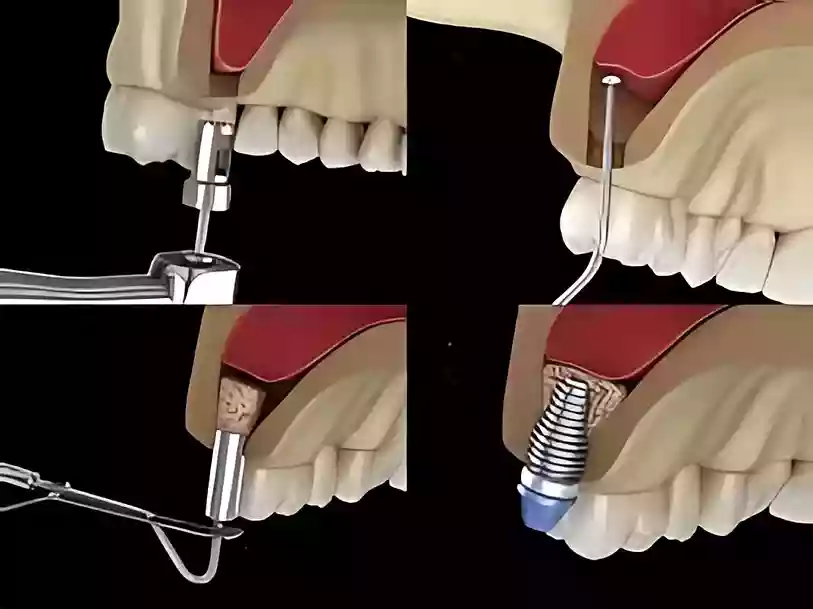
If bone deficiency is mild, the procedure is done through the implant socket (closed technique); if significant, a small lateral window is opened (open technique). In Bodrum oral surgery procedures planning, the choice of technique is made based on 3D tomography.
Post-sinus lifting instructions
Frequently asked questions about sinus lifting
Does every implant patient require a sinus lift?
No. It is required only for patients lacking adequate bone height in the posterior upper jaw to support implants. Need is determined via 3D tomography.
Can sinus lifting and implant placement be done in the same session?
If existing bone is sufficient to provide primary stability for the implant, placement can occur in the same session. If bone is extremely thin, graft integration is awaited first, usually taking 4–6 months.
Can I fly on an airplane after a sinus lift?
Pressure changes during the first few weeks after surgery can affect the sinus region. Inform your dentist prior to treatment if you have flight or diving plans; they will specify the appropriate waiting period.
Will there be nosebleeds after a sinus lift?
Light blood-tinged nasal discharge may occur in the first few days. Do not blow your nose; wipe it gently. If discharge persists or if salty fluid and graft particles enter your mouth, contact the clinic.
General Post-Operative Care for Bodrum Oral Surgery Procedures
Specific post-op guidelines for each treatment are listed under their respective sections. Below are general rules applicable to all patients following Bodrum oral surgery procedures:
When should you call the clinic?
If you experience any of the following after Bodrum oral surgery procedures, reach out to us immediately:
General Questions About Bodrum Oral Surgery Procedures
Which treatments do Bodrum oral surgery procedures cover?
Bodrum oral surgery procedures at our clinic include apicoectomy, jaw cyst surgery, frenectomy, impacted tooth extraction, and sinus lifting applications. The necessary treatment is determined through examination and imaging.
Which anesthesia is used for surgical procedures?
Most procedures on this page are performed under local anesthesia. For extensive interventions like large cysts, general anesthesia may be required; in such cases, patients are referred to a hospital facility.
Which medications should I disclose before a surgical procedure?
Disclose all medications you use; blood thinners, osteoporosis drugs, diabetes, and blood pressure medications particularly affect treatment planning. Never stop taking your medications without consulting your doctor.
Schedule your consultation for Bodrum oral surgery procedures.
Book an AppointmentYokuşbaşı Mh. Hasan Reşat Öncü Cd. No:16, Bodrum / MUĞLA
Bodrum oral surgery procedures at our clinic are planned by Dentist Nihat Taner. For our other treatment areas, please visit our Treatments page.