
Bodrum Gum Diseases and Treatments: Healthy Gums, Strong Teeth
Bodrum Gum Diseases and Treatments: Healthy Gums, Strong Teeth At MandarinDent, overall Bodrum Gum Diseases and Treatments include gum recession therapy, periodontal curettage, surgical procedures, and gum graft applications. The primary goal is controlling gum inflammation and protecting supporting dental structures.
Gums form the visible part of tissues holding teeth firmly in place. Periodontal disease often progresses painlessly; unaddressed symptoms like bleeding, recession, and bad breath eventually impact underlying jawbone structure. On this page, you will find comprehensive details on periodontal conditions followed by three specialized treatment topics along with answers to common patient questions.
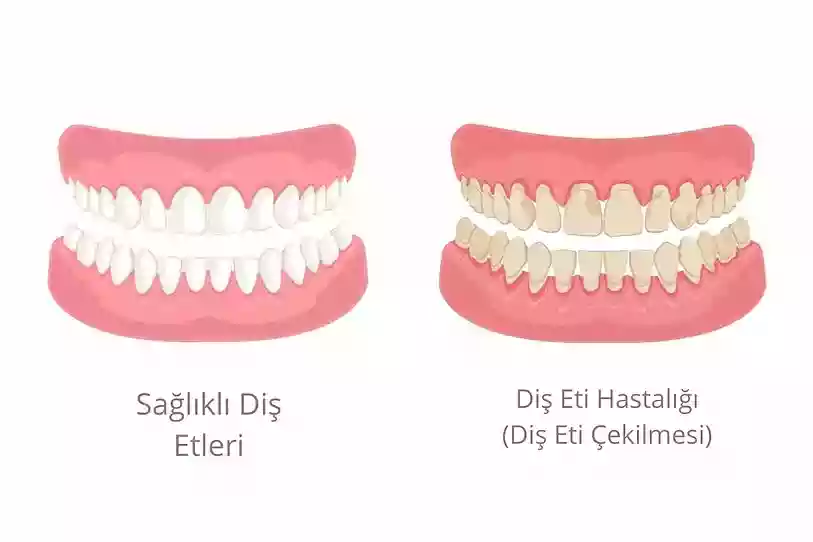
Three Key Topics in Bodrum Gum Diseases and Treatments
Gum Recession TreatmentSurgical and non-surgical solutions for exposed root surfaces and sensitivity.Root Sensitivity 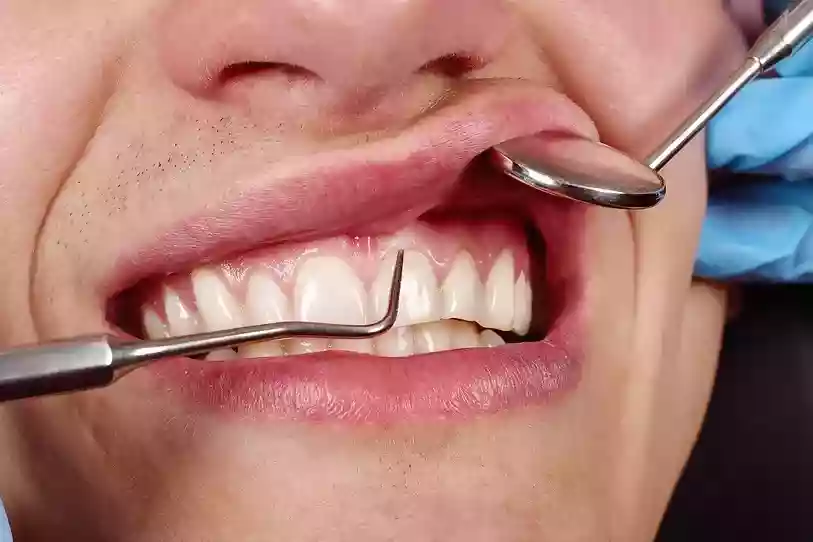 Periodontal Curettage & SurgeryDeep cleaning of periodontal pockets and flap operations in advanced cases.Deep Cleaning
 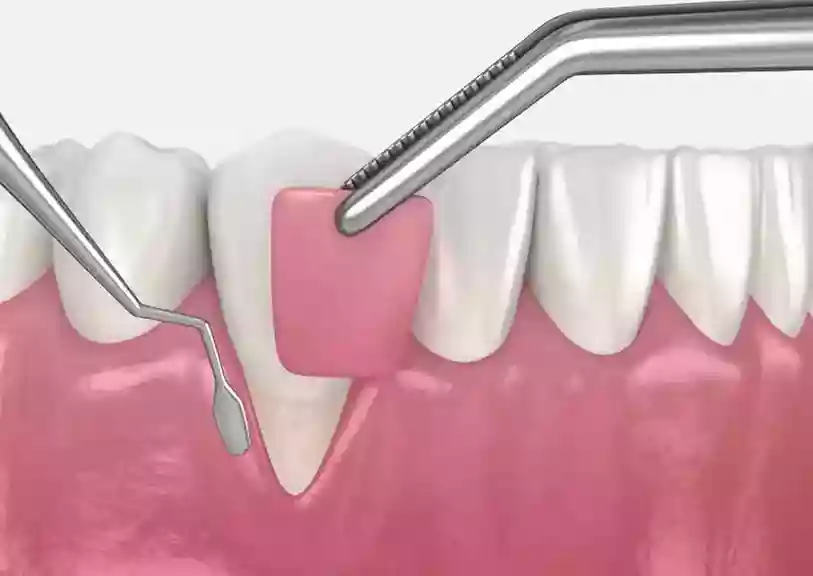 Gum GraftRestoring recessed gum tissue through specialized tissue grafting.Tissue Regeneration
What Are Periodontal (Gum) Diseases?
Forming the core focus of our Bodrum Gum Diseases and Treatments care, periodontal diseases are inflammatory conditions caused by bacterial plaque accumulating on teeth and surrounding gum tissues. When plaque is not regularly removed, it hardens into dental calculus (tartar). Calculus cannot be brushed away and requires professional dental cleaning. Periodontal disease is evaluated in two primary stages:
| Feature | Gingivitis (Gum Inflammation) | Periodontitis |
|---|---|---|
| Affected Tissue | Gum tissue only | Gums, connective tissue, & jawbone |
| Symptoms | Redness, swelling, bleeding on brushing | Periodontal pockets, recession, bad breath, loose teeth |
| Reversibility | Fully reversible with professional cleaning | Bone loss is permanent; disease progression can be halted |
| Treatment | Scaling & oral hygiene instruction | Deep curettage & flap surgery if necessary |
Common Symptoms of Gum Disease
In patients seeking professional Bodrum Gum Diseases and Treatments at our clinic, the most frequent clinical signs include:
Factors Increasing Periodontal Risk
Bacterial plaque is the primary cause of gum disease; however, several factors accelerate disease onset and severity. Smoking leads risk factors by suppressing gum bleeding, often masking active disease. Uncontrolled diabetes, genetic predisposition, hormonal shifts during pregnancy or menopause, medications causing dry mouth, stress, and inadequate oral hygiene significantly increase risk levels.
How Are Bodrum Gum Diseases and Treatments Planned?
Every clinical care plan starts with a comprehensive examination. Gums are visually inspected, periodontal pocket depths are measured using a precise probe, and bleeding sites are charted. Digital X-rays assess bone support around tooth roots. Based on these findings, your dentist determines whether scaling, deep curettage, or surgical interventions are needed.
Gum Recession Treatment
Gum recession occurs when the margin of the gum tissue wears away or pulls back, exposing tooth roots. Because exposed root dentin lacks protective enamel, it triggers hot/cold sensitivity and increases susceptibility to root caries. Recessed gums are effectively managed through surgical and non-surgical therapies. Within Bodrum Gum Diseases and Treatments, recession remains a top reason for patient consultations.
Why Gum Recession Does Not Heal on Its Own
Gum recession is a progressive structural condition; lost gum tissue does not regenerate naturally. In early stages, eliminating causative factors and undergoing professional cleaning stops further loss. Advanced recession requires soft tissue gum grafting to rebuild lost tissue. Delaying treatment complicates recovery; prompt consultation for Bodrum Gum Diseases and Treatments is recommended at the first sign of recession.
Primary Causes of Gum Recession
Planning effective Bodrum Gum Diseases and Treatments requires addressing the underlying cause first, as therapies cannot succeed long term without eliminating causative triggers:
Symptoms of Gum Recession
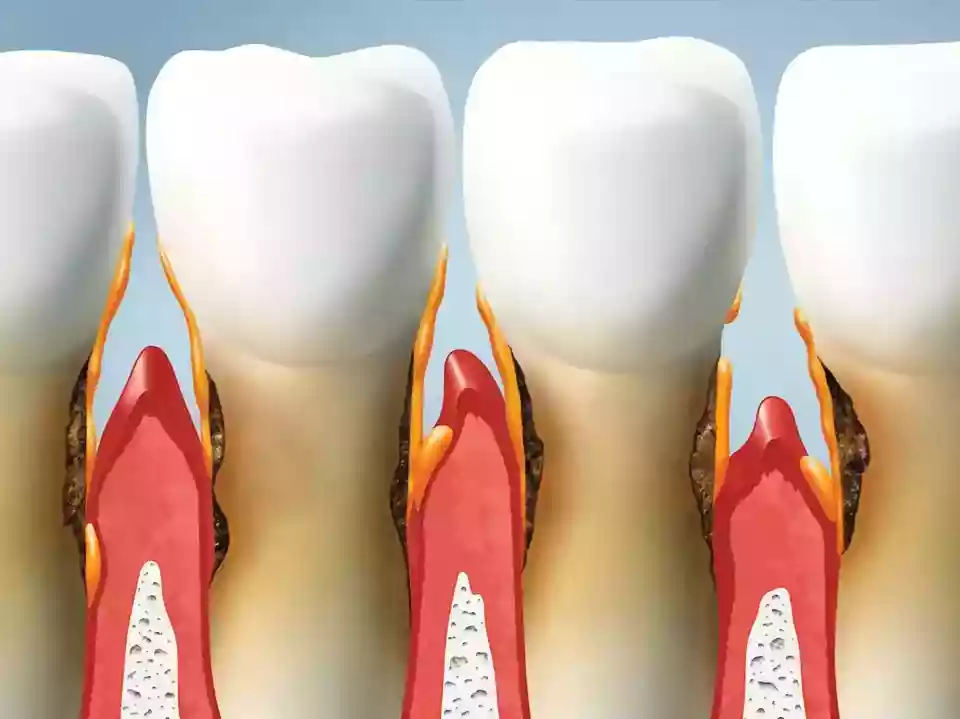
Treatment Approaches for Gum Recession
Treatment choice depends on recession depth and origin. Under our Bodrum Gum Diseases and Treatments protocol, etiology is treated first, followed by restorative or surgical measures.
Non-Surgical Methods
Surgical Methods
Antibiotic regimens or antiseptic mouthwashes are prescribed selectively based on individual clinical need.
Frequently Asked Questions About Gum Recession
Does recessed gum tissue grow back naturally?
No. Recessed gum tissue cannot regrow on its own. Early non-surgical care halts further loss, while advanced tissue loss is restored using surgical gum grafting.
What causes gum recession?
Common causes include periodontal disease, aggressive toothbrushing, genetically thin gum tissue, teeth grinding, dental crowding, and tobacco use. Multiple factors often coexist.
Can untreated gum recession lead to tooth loss?
Yes. If recession stems from periodontal disease and remains untreated, supporting bone collapses over time, leading to tooth mobility and eventual tooth loss.
How is sensitivity managed in recessed gums?
Exposed roots are sensitive to thermal changes. Sensitivity is relieved using professional desensitizers, composite root fillings, or gum graft surgery to cover exposed surfaces.
Periodontal Curettage and Surgery
Periodontal curettage is an in-depth cleaning procedure that removes subgingival plaque, calculus, and granulation tissue inside deep periodontal pockets. It cleans root surfaces beyond the reach of standard scaling. When pockets are excessively deep and curettage alone is insufficient, flap surgery is performed. In Bodrum Gum Diseases and Treatments, these procedures form the backbone of periodontitis management.
Difference Between Dental Scaling and Curettage
Standard dental scaling (detartraj) uses ultrasonic tools to clear supragingival tartar above and just below the gumline, sufficient for mild gingivitis. Curettage utilizes delicate hand instruments (curettes) to plane deep root surfaces and clear infected pocket linings in periodontitis patients.
How Is Periodontal Curettage Performed?
In Bodrum Gum Diseases and Treatments, deep curettage follows a structured clinical protocol:
- Local AnesthesiaThe target quadrant is thoroughly numbed for complete comfort.
- ScalingSupragingival plaque and calculus are removed.
- Root PlaningRoot surfaces are smoothed down to prevent future bacterial adherence.
- Pocket DebridementSpecialized curettes scrape away diseased soft tissue linings within pockets.
- Antiseptic IrrigationCleaned pockets are flushed with therapeutic antiseptic solutions.
Who Is Curettage Recommended For?
Curettage is usually divided into quadrant appointments over a few visits, allowing patients to resume routine activities immediately.
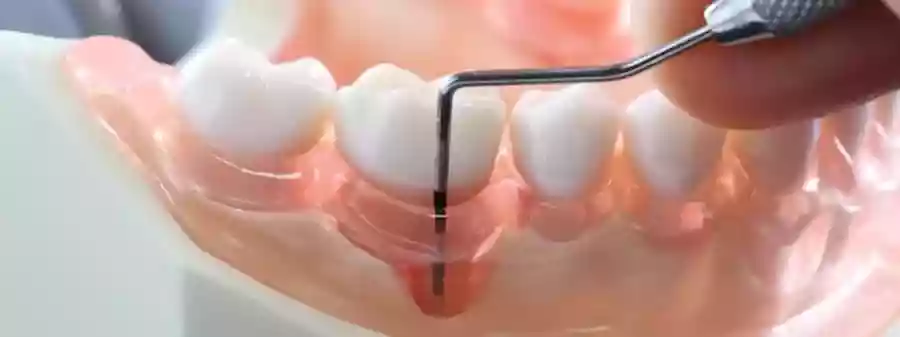
What Is Periodontal Flap Surgery?
In Bodrum Gum Diseases and Treatments, flap surgery is a minor surgical procedure performed when deep pockets cannot be cleared through curettage alone. Gum tissue is gently lifted back, allowing direct visualization and thorough cleaning of root surfaces and underlying bone.
- Local AnesthesiaThe surgical site is fully numbed.
- Flap ElevationGums are reflected back to expose roots and defect sites.
- Debridement & Bone ReshapingTartar and infected tissue are cleared. Bone grafts or biomaterials are placed if bone regeneration is planned.
- SuturingGum tissue is repositioned and secured tightly with sutures.
Who Needs Flap Surgery?
Post-Curettage and Post-Surgical Care
Following Bodrum Gum Diseases and Treatments procedures, observe these postoperative instructions for smooth healing:
Frequently Asked Questions About Curettage & Surgery
Does scaling and curettage hurt?
Scaling requires no anesthesia for most patients. Curettage and flap surgery are performed under local anesthesia. Mild, temporary sensitivity may occur for a few days post-treatment.
Gaps appeared between my teeth after cleaning, is this normal?
Yes, this is completely normal. Dental tartar previously filled space between teeth while inflamed gums were swollen. Once tartar is cleaned and swelling subsides, pre-existing gaps become visible. Cleaning does not damage teeth.
Can I smoke after periodontal curettage?
Smoking impairs blood flow, delays healing, and lowers treatment success. You should avoid smoking for as long as possible following treatment as advised by your dentist.
Does dental cleaning damage tooth enamel?
No. Ultrasonic scalers and curettes safely remove tartar without damaging enamel. Post-cleaning sensitivity is temporary and occurs as clean root surfaces adjust to the oral environment.
How often should curettage be repeated?
Patients are placed on 3–6 month supportive periodontal maintenance schedules. Frequency depends on oral care and disease severity.
Gum Graft Surgery
A gum graft is a surgical procedure where soft tissue is grafted onto areas of severe recession to cover exposed roots and thicken thin gum margins. Tissue is usually taken from the patient’s palate, shifted from adjacent healthy gums, or sourced from sterile biomaterials. Recessed gums create sensitivity and aesthetic concerns. In Bodrum Gum Diseases and Treatments, grafting restores lost tissue support.
Why Is Gum Grafting Performed?
Types of Gum Grafts
In Bodrum Gum Diseases and Treatments, three main grafting techniques are selected based on patient needs:
| Graft Type | How It Works | Clinical Indication |
|---|---|---|
| Connective Tissue Graft | Subepithelial tissue harvested beneath the palatal surface is placed under recessed gums | Most common method used to cover exposed root surfaces |
| Free Gingival Graft | A small strip of surface tissue from the palate is attached directly to the thin area | Used to thicken naturally thin gum tissue bands |
| Pedicle (Slide) Graft | Tissue is partially detached from adjacent healthy gum and slid over the exposed root | Ideal for localized recession with abundant nearby tissue |
How Is Gum Graft Surgery Performed?
- Local AnesthesiaThe donor and recipient surgical sites are fully numbed.
- Tissue PreparationGraft tissue is harvested from the palate or prepared from biomaterials.
- FixationThe graft is secured precisely over the exposed root site using fine sutures.
- HealingGrafted tissue integrates with surrounding native gums over time.
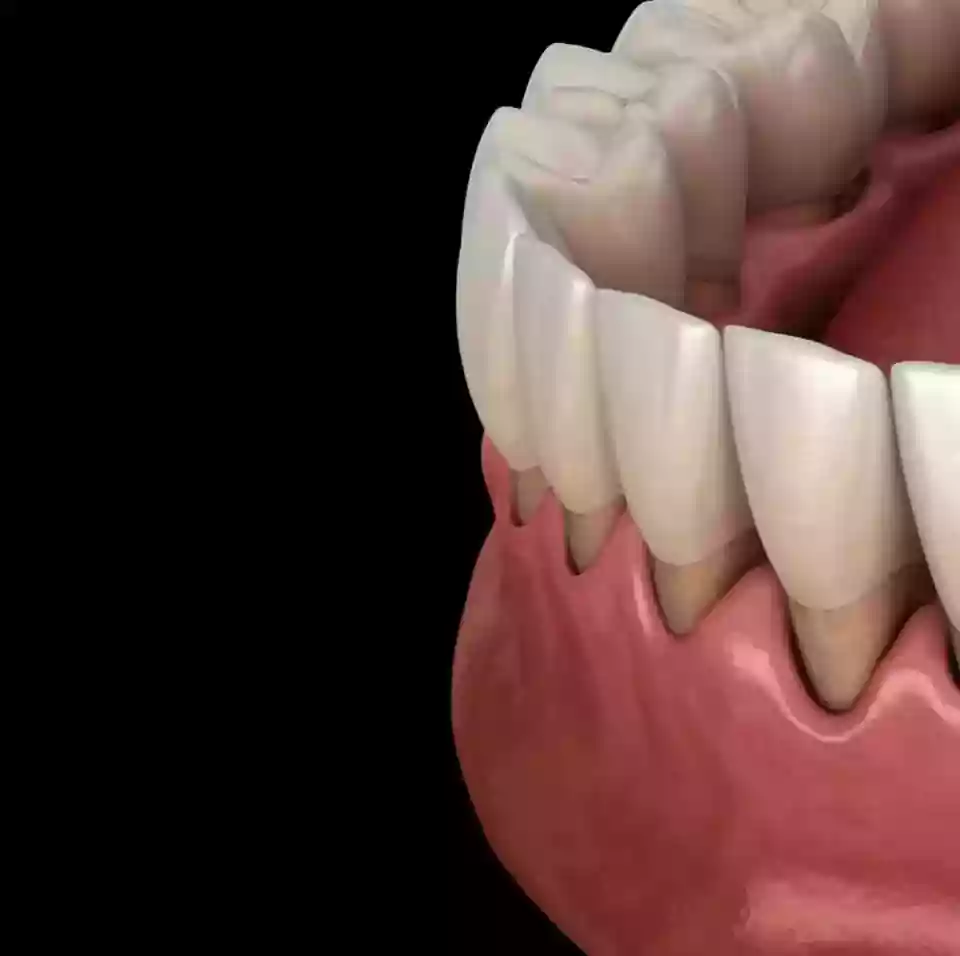
The outpatient procedure takes under an hour, allowing patients to go home immediately. Your specific technique for Bodrum Gum Diseases and Treatments is selected during consultation.
Post-Operative Care After Gum Grafting
Gum grafting requires careful post-op attention among all Bodrum Gum Diseases and Treatments, as grafted tissue must remain undisturbed to attach successfully:
Frequently Asked Questions About Gum Grafting
Is gum graft surgery painful?
The surgery is painless under local anesthesia. Mild discomfort or soreness may occur at the palatal donor site for a few days after anesthesia wears off, easily managed with prescribed pain relievers.
How long does recovery take after a gum graft?
Initial soft tissue healing occurs within 1–2 weeks. Complete tissue maturation and final cosmetic blending take a few months.
Are gum graft results permanent?
Results last long term if underlying causes of recession (like aggressive brushing or clenching) are addressed. Proper hygiene and routine check-ups maintain results.
Is tissue always taken from the palate?
No. Tissue can be harvested from the palate, slid from adjacent gums, or replaced with sterile donor biomaterials based on your tissue structure.
Maintaining Health After Bodrum Gum Diseases and Treatments
Periodontal diseases can recur if daily plaque accumulation is ignored. Long-term stability achieved through Bodrum Gum Diseases and Treatments depends on consistent home care and routine professional check-ups:
General Questions About Periodontal Health
What procedures do Bodrum Gum Diseases and Treatments cover?
Services cover professional scaling, deep periodontal curettage, flap surgery, recession therapies, and soft tissue gum grafting based on diagnostic measurements.
Is gum bleeding normal during brushing?
No. Bleeding gums while brushing or flossing indicate active periodontal inflammation. Never stop brushing; clean gently and schedule an evaluation promptly.
Can periodontal disease be completely cured?
Gingivitis is fully reversible with professional cleaning. Periodontitis bone loss cannot regenerate naturally, but treatment successfully halts disease progression to preserve natural teeth.
Schedule your consultation for Bodrum Gum Diseases and Treatments.
Book AppointmentYokuşbaşı Mh. Hasan Reşat Öncü Cd. No:16, Bodrum / MUĞLA
Professional Bodrum Gum Diseases and Treatments at our clinic are planned by Dr. Nihat Taner. To explore our full range of dental services, please visit our Treatments page.