
Bodrum Dental Implant Treatments: Permanent Solutions for Missing Teeth
Bodrum Dental Implant Treatments: Permanent Solutions for Missing Teeth at MandarinDent include single tooth implants, multiple dental implants, full mouth implants (All-on-4 and All-on-6), as well as bone grafting and sinus lift procedures when necessary. A dental implant is a titanium screw placed into the jawbone to replace a missing tooth root and support a fixed restoration.
Tooth loss affects more than just aesthetics; it impairs chewing and speech, causes adjacent teeth to drift into vacant gaps, and leads to progressive jawbone resorption over time. On this page, you will find four primary topics covering Bodrum Dental Implant Treatments: Permanent Solutions for Missing Teeth, complete with answers to frequently asked questions for each procedure.
Four Key Topics in Bodrum Dental Implant Treatments: Permanent Solutions for Missing Teeth
Single Tooth ImplantReplacing a single missing tooth without affecting neighboring teeth.Single Missing Tooth 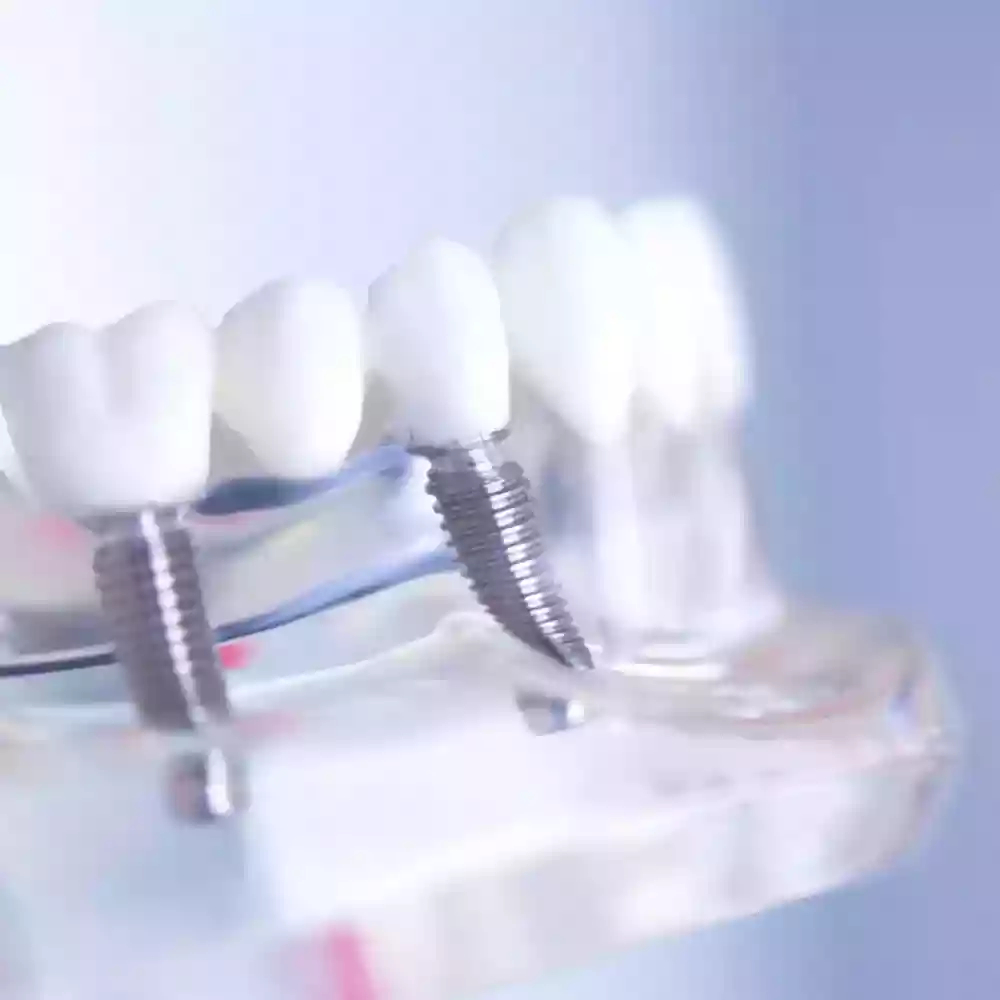 Multiple Dental ImplantsImplants and implant-supported bridges for several missing teeth.Multiple Missing Teeth
  Bone Grafting & Sinus LiftStrengthening jawbone structure prior to implant placement.Inadequate Bone Volume
  Full Mouth ImplantsRestoring entire dental arches with fixed prostheses via All-on-4 and All-on-6.All Teeth Missing
What Is a Dental Implant?
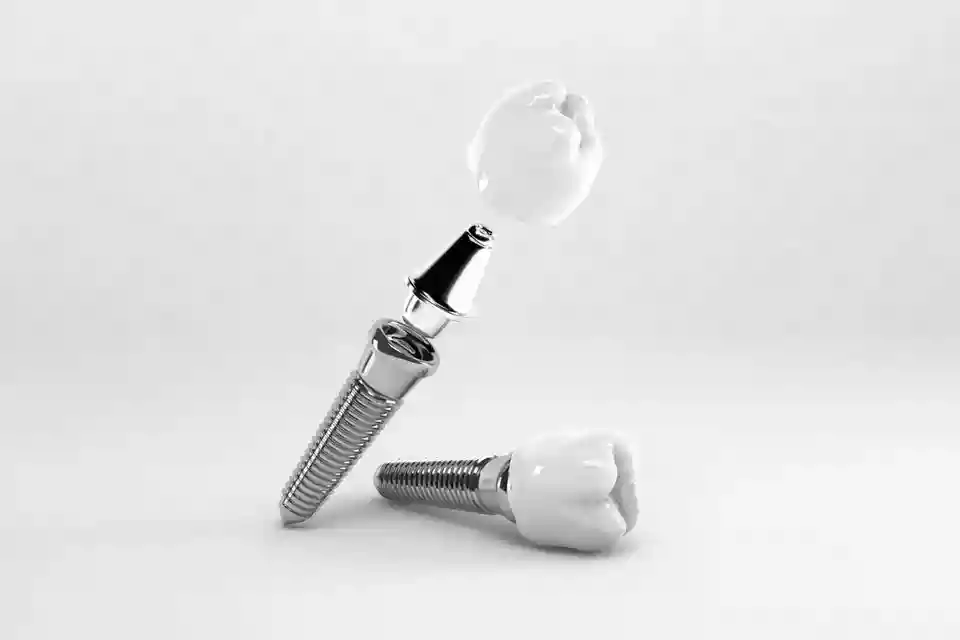
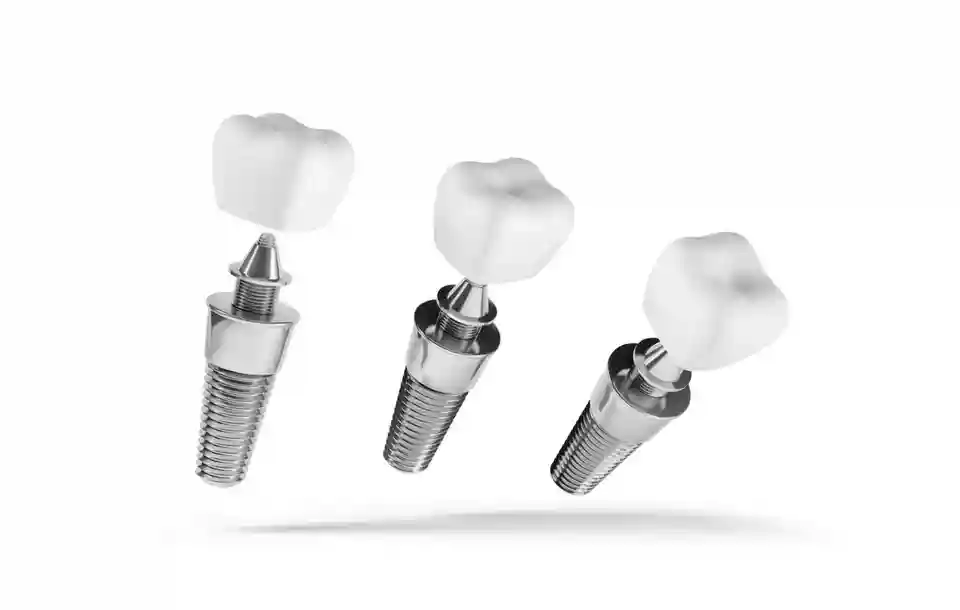
A dental implant is a biocompatible titanium screw surgically positioned into the jawbone where a tooth is missing. It integrates directly with surrounding bone tissue in a natural process called osseointegration, functioning as a artificial tooth root. Once healing is complete, an abutment is connected to the implant, followed by a custom porcelain or zirconia crown. In this way, implants replace both the root and crown of a natural tooth. Titanium used in Bodrum Dental Implant Treatments: Permanent Solutions for Missing Teeth is fully biocompatible with human tissue.
How Are Bodrum Dental Implant Treatments Planned?
Treatment planning begins with a thorough clinical examination. The oral cavity is inspected, and digital X-rays along with 3D cone-beam computed tomography (CBCT) scans measure jawbone height, width, and density precisely. Your medical history and medications are carefully evaluated. Based on this diagnostic data, the required number of implants, necessity for bone augmentation, and overall treatment timeline are established and explained prior to procedure initiation.
Single Tooth Implant
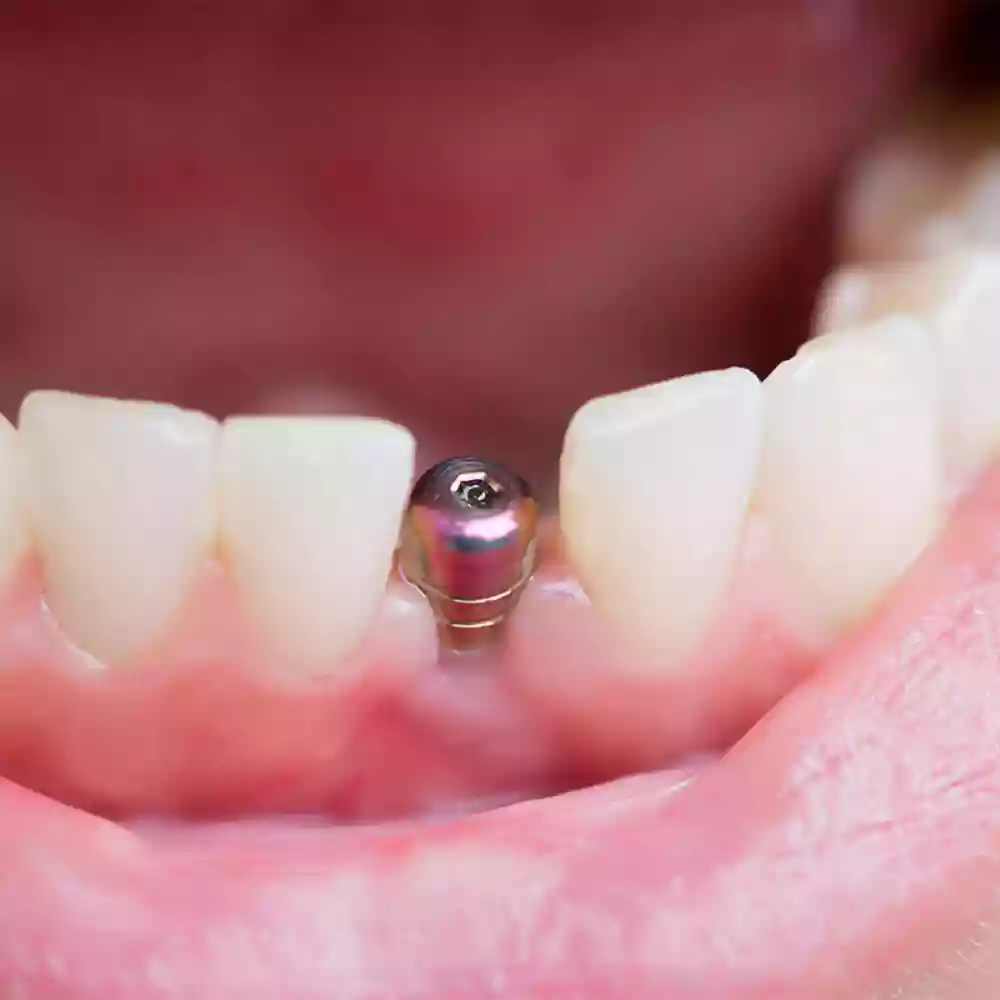
A single tooth implant involves placing one titanium implant into the jawbone at the missing tooth site, topped with a porcelain or zirconia crown. Unlike traditional dental bridges, adjacent healthy teeth do not need to be shaved down or altered. Leaving a missing tooth unaddressed leads neighboring teeth to shift and underlying bone to resorb over time; an implant fills this gap starting from the root level. Single tooth restoration remains the most common procedure within Bodrum Dental Implant Treatments: Permanent Solutions for Missing Teeth.
Who Is a Single Tooth Implant Suitable For?
Stages of Single Tooth Implant Treatment
Under our Bodrum Dental Implant Treatments: Permanent Solutions for Missing Teeth protocols, single implant placement is completed in five main steps:
- Examination and PlanningClinical evaluation and 3D imaging assess jawbone quality. Bone grafting is planned if volume is insufficient.
- Implant PlacementUnder local anesthesia, the titanium implant is placed into the jawbone in about 15–30 minutes.
- Osseointegration PeriodA healing period of 3–6 months allows the implant to fuse securely with surrounding bone.
- Abutment AttachmentOnce osseointegration is complete, an abutment is connected to the implant post.
- Crown PlacementA custom-crafted porcelain or zirconia crown matching your natural tooth shade is secured and adjusted for bite balance.
Post-Operative Care After Single Tooth Implant Placement
Following single implant surgery in Bodrum Dental Implant Treatments: Permanent Solutions for Missing Teeth, initial post-op days are critical for successful healing:
Frequently Asked Questions About Single Tooth Implants
How long does a single tooth implant treatment take?
Placing the implant takes approximately 15–30 minutes. Osseointegration with the jawbone requires 3–6 months, after which the permanent crown is attached.
Is single tooth implant surgery painful?
The surgery is performed under local anesthesia and is completely painless. Mild discomfort or swelling may occur for a few days after anesthesia wears off, managed easily with prescribed medication.
Should I choose a dental implant or a bridge?
Traditional bridges require trimming adjacent healthy teeth, whereas implants preserve neighboring teeth. Suitability depends on bone volume, health status, and adjacent tooth condition evaluated during consultation.
What is the minimum age for a dental implant?
Implants can be placed once jawbone growth is complete, typically at age 18 or older. There is no upper age limit as long as general health and bone structure are suitable.
Multiple Dental Implants
Multiple dental implant treatment involves placing two or more implants to restore several missing teeth with fixed bridges or individual crowns. Losing multiple teeth impairs chewing, affects pronunciation, causes remaining teeth to drift, and accelerates jawbone loss. In Bodrum Dental Implant Treatments: Permanent Solutions for Missing Teeth, multiple implants offer a stable alternative for patients wishing to avoid removable dentures or tooth-supported bridges.
How Is Multiple Dental Implant Treatment Performed?
Multiple titanium implants are positioned into the jawbone where teeth are missing. The implants integrate with the bone over a healing period of 3–6 months to create a solid foundation. Once integrated, custom porcelain or zirconia bridges or crowns are secured onto the implants.
It is not always necessary to place one implant per missing tooth. For instance, an implant-supported bridge can replace three missing teeth using just two implants. This approach reduces implant count while achieving strong aesthetic and functional results. The exact number of implants depends on gap length, bone density, and bite forces.
Who Is Suitable for Multiple Dental Implants?
Within our Bodrum Dental Implant Treatments: Permanent Solutions for Missing Teeth services, multiple implants are evaluated for patients who:
Post-Treatment Instructions for Multiple Implants
How Long Do Multiple Implants Last?
With proper care and routine dental visits, dental implants can last a lifetime. Longevity depends on oral hygiene, regular check-ups, and avoiding habits like smoking or biting extremely hard objects. Porcelain or zirconia restorations over implants may experience wear over time and might require replacement after 10–15 years. Regular check-ups in Bodrum Dental Implant Treatments: Permanent Solutions for Missing Teeth ensure long-term stability.
Frequently Asked Questions About Multiple Dental Implants
Is an individual implant needed for every missing tooth?
No. For consecutive missing teeth, an implant-supported bridge can replace three or four teeth using fewer implants, such as two implants supporting a three-unit bridge.
How long is the recovery period for multiple implants?
Osseointegration typically takes 3–6 months depending on bone quality, location, and individual health factors.
Do implant crowns ever need to be replaced?
While titanium implant posts last a lifetime, the prosthetic crowns or bridges attached to them may show wear and require renewal after 10–15 years.
Can smokers get multiple dental implants?
Smoking reduces blood flow and impairs osseointegration, increasing failure risks. Quitting or significantly reducing smoking before and during healing is strongly advised.
Bone Grafting and Sinus Lift
Following tooth extraction, jawbone tissue naturally resorbs over time (atrophy), potentially leaving insufficient volume to support dental implants. Advanced periodontal disease, trauma, or long-standing missing teeth are common causes of bone loss. Bone grafting and sinus lifting procedures rebuild zayıflatılmış bone structure to create a stable foundation for implants. In Bodrum Dental Implant Treatments: Permanent Solutions for Missing Teeth, augmentation is performed only for patients with insufficient bone volume.
What Is Bone Grafting and How Is It Done?
Bone grafting involves placing biocompatible bone material into areas with insufficient bone volume to thicken and reinforce the jawbone.
What Is a Sinus Lift?
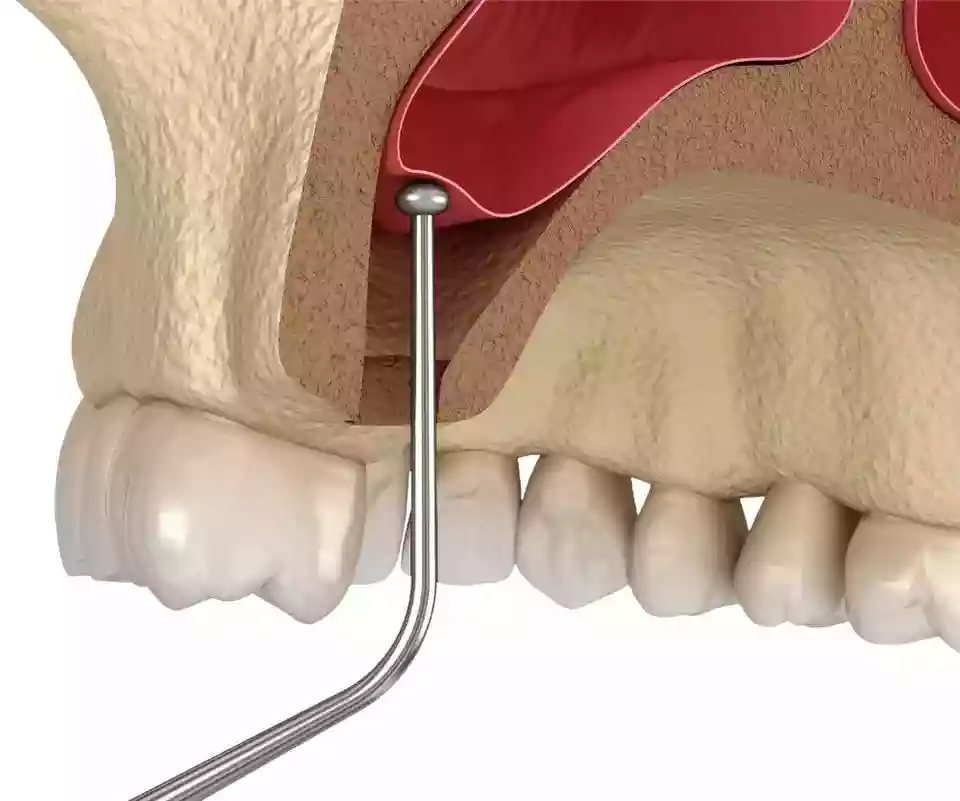
In the upper posterior jaw, the sinus cavity may expand downward after tooth loss, leaving inadequate bone height for implant placement. A sinus lift involves gently elevating the sinus membrane and placing bone graft material beneath it to increase upper jawbone height.
When Is a Sinus Lift Required?
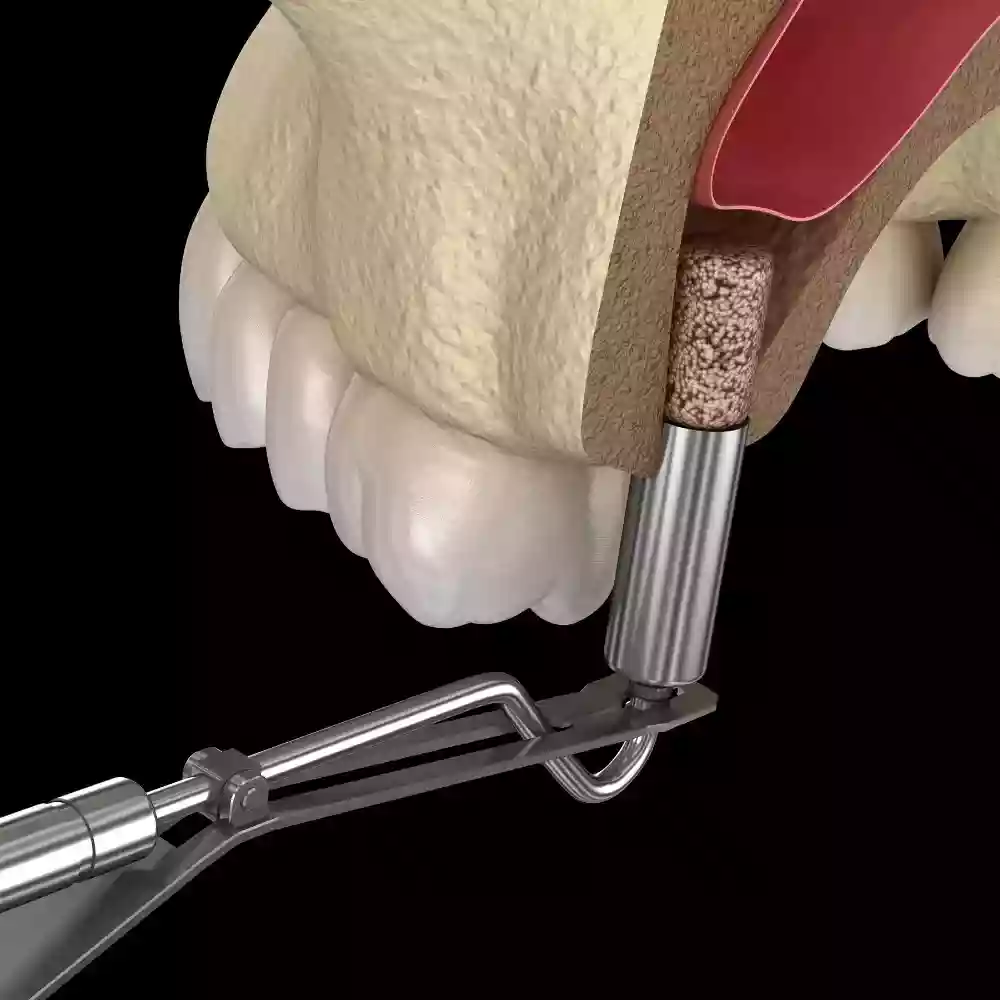
Following a sinus lift, bone consolidation takes approximately 4–6 months before implants can be fully loaded.
Treatment Protocol
In Bodrum Dental Implant Treatments: Permanent Solutions for Missing Teeth, bone grafting and sinus lifting can be performed simultaneously with implant placement in minor defect cases, or as a separate initial stage when extensive augmentation is needed.
- Diagnosis and 3D Planning3D CBCT imaging assesses bone dimensions and sinus anatomy.
- Graft / Sinus Lift ProcedureBone material is placed and/or sinus membrane is elevated under local anesthesia.
- Healing PhaseFull bone regeneration requires 3 to 9 months depending on defect size.
- Implant SurgeryImplants are placed once augmented bone achieves suitable density.
Frequently Asked Questions About Bone Augmentation
Does every implant patient require a bone graft?
No. Bone grafting is necessary only when native bone volume is insufficient to support implants. Bone dimensions are evaluated via 3D imaging during consultation.
Can bone grafting and implant placement be done together?
Yes, in cases of minor bone deficits, grafting and implant placement can occur in the same session. Severe deficits require grafting first, followed by implants 3–6 months later.
What precautions should I take after a sinus lift?
Avoid blowing your nose forcefully, drinking through straws, or activities creating oral/nasal pressure. Sneezing should be done with an open mouth, and prescribed medications must be taken strictly.
How long does a bone graft take to heal completely?
Bone graft integration typically takes 3–6 months, while sinus lift healing takes 4–6 months. Complex cases may require up to 9 months before implant placement.
Full Mouth Implants
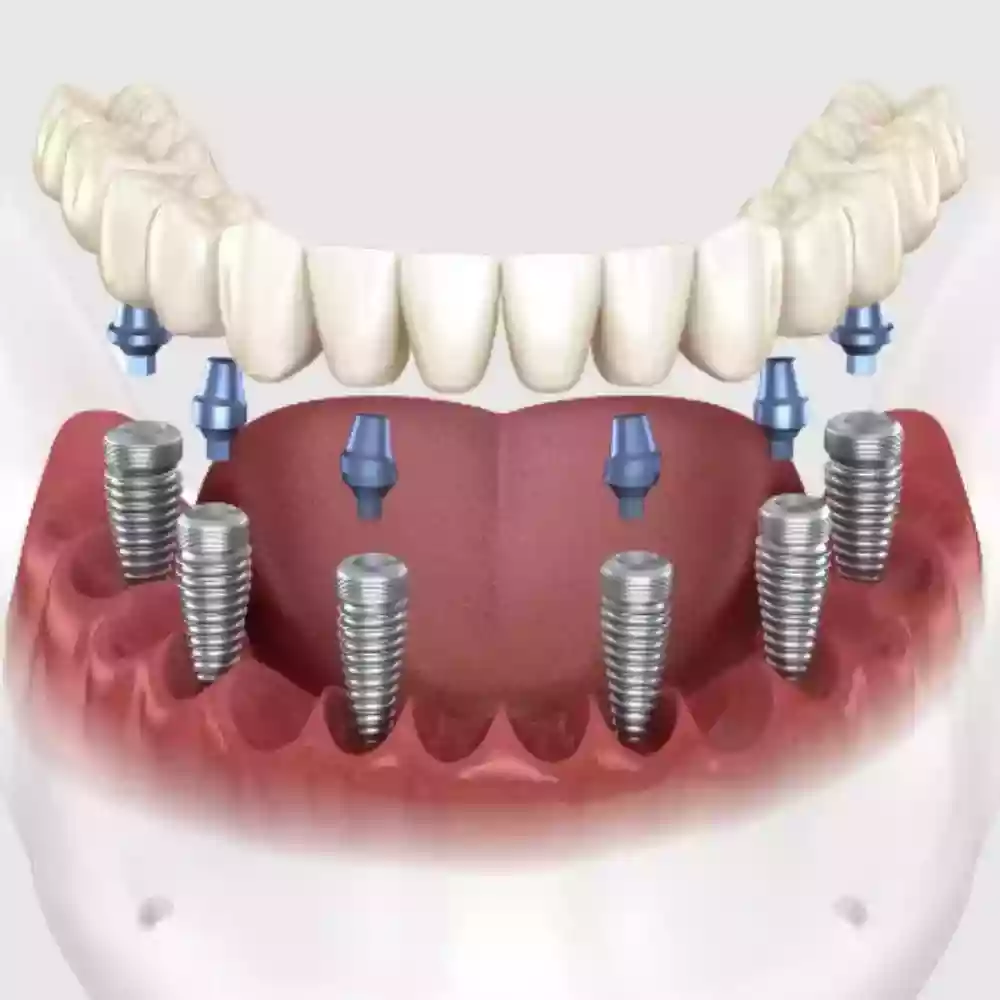
Full mouth implant treatment restores all missing teeth in an arch using fixed prostheses anchored on implants. Conventional methods place 6 to 8 implants per arch to support a full porcelain or zirconia bridge. The All-on-4 and All-on-6 techniques secure an entire arch of teeth on 4 or 6 strategically angled implants. Within Bodrum Dental Implant Treatments: Permanent Solutions for Missing Teeth, full mouth implants are designed for edentulous patients or those unsatisfied with removable dentures.

When Are Full Mouth Implants Recommended?
How Is Full Mouth Implant Treatment Performed?
- Examination & 3D ImagingJawbone volume and density are analyzed using 3D CBCT scans to select the technique.
- Implant SurgeryThe calculated number of implants (4, 6, or more) is placed into the jawbone.
- Immediate Temporary TeethWhen primary stability is achieved, fixed temporary teeth can be attached the same day so patients never go toothless.
- Healing PeriodAn osseointegration period of 3–6 months allows implants to fuse with jawbone.
- Final Fixed ProsthesisA permanent porcelain or zirconia full-arch prosthesis is fitted and secured.
Comparison Between All-on-4 and All-on-6
| Feature | All-on-4 | All-on-6 |
|---|---|---|
| Implant Count | 4 per arch | 6 per arch |
| Placement Angle | 2 straight anterior, 2 angled posterior | 6 implants distributed evenly across arch |
| Bite Distribution | Sufficient for daily function; caution with very hard foods | Distributes masticatory forces over wider area |
| Bone Grafting | Angled placement often eliminates bone grafting | May require grafting in reduced bone density cases |
| Ideal Candidates | Patients with moderate bone loss | Patients with adequate bone and higher bite forces |
In Bodrum Dental Implant Treatments: Permanent Solutions for Missing Teeth, deciding between All-on-4 and All-on-6 depends on bone volume and density assessed via 3D CBCT imaging.
Post-Operative Guidelines for Full Mouth Implants
Full mouth reconstruction requires careful post-op care during the healing phase to ensure optimal outcomes:
Frequently Asked Questions About Full Mouth Implants
What is the difference between All-on-4 and All-on-6?
All-on-4 uses 4 implants per arch, angling posterior implants to maximize existing bone without grafting. All-on-6 uses 6 implants to distribute chewing forces over a broader base where bone volume permits.
Can I get teeth on the same day as full mouth implant surgery?
Yes, if initial implant stability is sufficient, fixed temporary teeth can be attached on the day of surgery. Permanent restorations are fitted after 3–6 months of healing.
Is bone grafting required for full mouth implants?
Not always. The All-on-4 technique often avoids bone grafting by utilizing available anterior bone. CBCT scans determine whether bone grafting or sinus lifting is necessary.
How do I clean full mouth implant restorations?
Clean underneath the fixed prosthesis daily using superfloss, interdental brushes, and water flossers, alongside regular toothbrushing and periodic professional maintenance.
Who Is Suitable for Bodrum Dental Implant Treatments: Permanent Solutions for Missing Teeth?
Dental implants can be placed in adults who have completed jawbone growth and maintain suitable general health. The following conditions do not automatically prevent implant surgery, but must be disclosed during consultation as they influence planning and healing:
As with any surgical procedure, potential risks include minor infection, swelling, bruising, bleeding, or rarely failure of osseointegration. Potential risks and personalized alternatives are reviewed during consultation for Bodrum Dental Implant Treatments: Permanent Solutions for Missing Teeth.
Long-Term Care After Bodrum Dental Implant Treatments: Permanent Solutions for Missing Teeth
Implants cannot develop cavities, but surrounding gums and bone can become inflamed (peri-implantitis) if hygiene is neglected. Long-term success of Bodrum Dental Implant Treatments: Permanent Solutions for Missing Teeth depends heavily on daily home maintenance and routine check-ups:
General Questions About Dental Implants
Who can receive Bodrum Dental Implant Treatments: Permanent Solutions for Missing Teeth?
Implants suit adults missing one, several, or all teeth, provided jawbone growth is complete and general health is suitable. Eligibility is confirmed via clinical exam and 3D imaging.
How long do Bodrum Dental Implant Treatments: Permanent Solutions for Missing Teeth take?
Overall duration varies. Surgery takes 15–60 minutes per implant, while osseointegration takes 3–6 months. Additional time is needed if bone grafting is performed beforehand.
Are there risks associated with dental implant surgery?
Like any surgical procedure, risks include infection, swelling, bleeding, or failure to integrate. Smoking, uncontrolled diabetes, and poor hygiene increase risks, all evaluated during consultation.
Schedule your appointment for Bodrum Dental Implant Treatments: Permanent Solutions for Missing Teeth.
Book AppointmentYokuşbaşı Mh. Hasan Reşat Öncü Cd. No:16, Bodrum / MUĞLA
Professional Bodrum Dental Implant Treatments: Permanent Solutions for Missing Teeth procedures at our clinic are planned by Dr. Nihat Taner. To explore our full range of dental services, please visit our Treatments page.